

In the present bill, no effort has been made to break the stranglehold of the bureaucracy over the scheme and the BDO and the District Collector continue to wield real power and remain unaccountable to the Block Panchayat or the District Panchayat. Gram Sabha continues to remain weak in most States, writes former IAS officer Sunil Kumar
After a passage of twenty years, the right to work guaranteed by the Mahatma Gandhi National Rural Employment Guarantee Act (MGNREGA) is being reset by the Government of India. While the ruling dispensation is singing paeans in praise of the new ‘Viksit Bharat – Guarantee for Rozgar and Ajeevika Mission (Gramin) or VB- G RAM G Bill, 2025, those in the opposition are showcasing it as another instance of disrespect to Mahatma Gandhi. The Bill is likely to soon become an Act and then all stakeholders – the union, state and local governments would get busy in the implementation of a new centrally sponsored scheme (CSS).
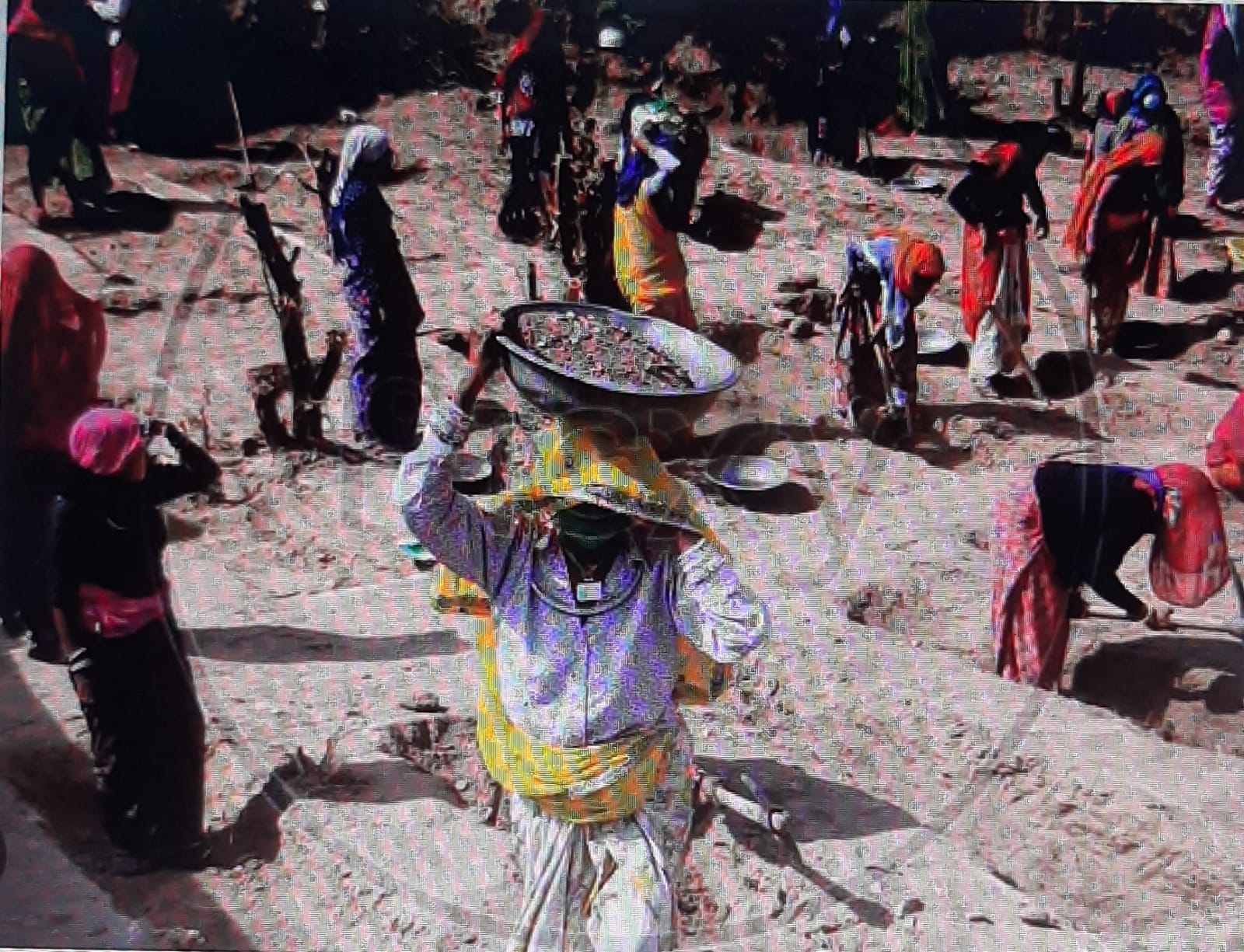
The new Bill replaces 100 days of guaranteed manual, unskilled work with 125 days per annum. Two months of compulsory pause in implementation of the scheme during the peak sowing and harvesting season should please the farming community who used to complain shortage of labour or high cost of labour for agricultural activities. Fixing the financial share of the union and state at 60:40 for payment of all wages and material cost should please the mandarins in the Union Finance Ministry and cause some disquiet among their counterparts in the States. The southern States of Tamil Nadu and Andhra Pradesh in particular could face some anxious moments as they were among the biggest beneficiaries of MGNREGA over the last two decades. However, no State government would be in a position to refuse implementation of the new CSS given the huge amount and high political stakes involved.
The Pradhan / Sarpanch in the Gram Panchayats would need to rework their strategy as MGNREGA had become an easy source of undertaking works (and making money in the process) to meet local needs in the absence of substantive flow of funds based on the Central Finance Commission (CFC) or State Finance Commission (SFC) recommendations and near absence of own source of revenues (OSR) in several states. The role of local government, especially the Gram Panchayat and the Gram Sabha would stand diminished as the scheme would become allocation based (like all other CSS) instead of demand based. As is the current fashion, use of biometrics, geo-tagging, Aadhar based payment systems, dashboards and AI audit would become compulsory statutorily. These are expected to weed out corruption and increase transparency. Only works included in the Viksit Bharat Panchayat Plans, which will be consolidated at the Block, District and State levels and broadly falling under four domains – water security through water-related work, core rural infrastructure, livelihood related infrastructure and work for mitigation of extreme weather events, would be eligible for being taken up under the VB – GRAMG. These plans would be integrated with the PM Gati Shakti National Master Plan.
The revamp at this point of time per se is not objectionable. The demand for increasing the guaranteed days of work had been raised from various quarters. The issue of labour shortage during peak agricultural season in several parts of the country had also come to the fore earlier. The programme getting mired in various forms of corruption and existing institutional arrangements for social audit being ineffective were also well known. So also was the inability of the State to provide 100 days labour or pay ‘unemployment allowance’ to those who could not be provided work within 15 days even when demanded.
But the real problem is when one reads between the lines of the proposed bill. The following facts become clear:
One, it has been designed to ensure that financial burden on the union government remains within manageable limits. It is highly unlikely that in the next five years, the allocation for VB – GRAMG would see any real increase.
Two, the union government can now conveniently blame the states if workers do not get the guaranteed days of manual work or are nor paid in time. Delay in release of wage labour funds would now be pinned on non-release or delay in release of State share. Under MGNREGA, payment of wages was the sole responsibility of union government.
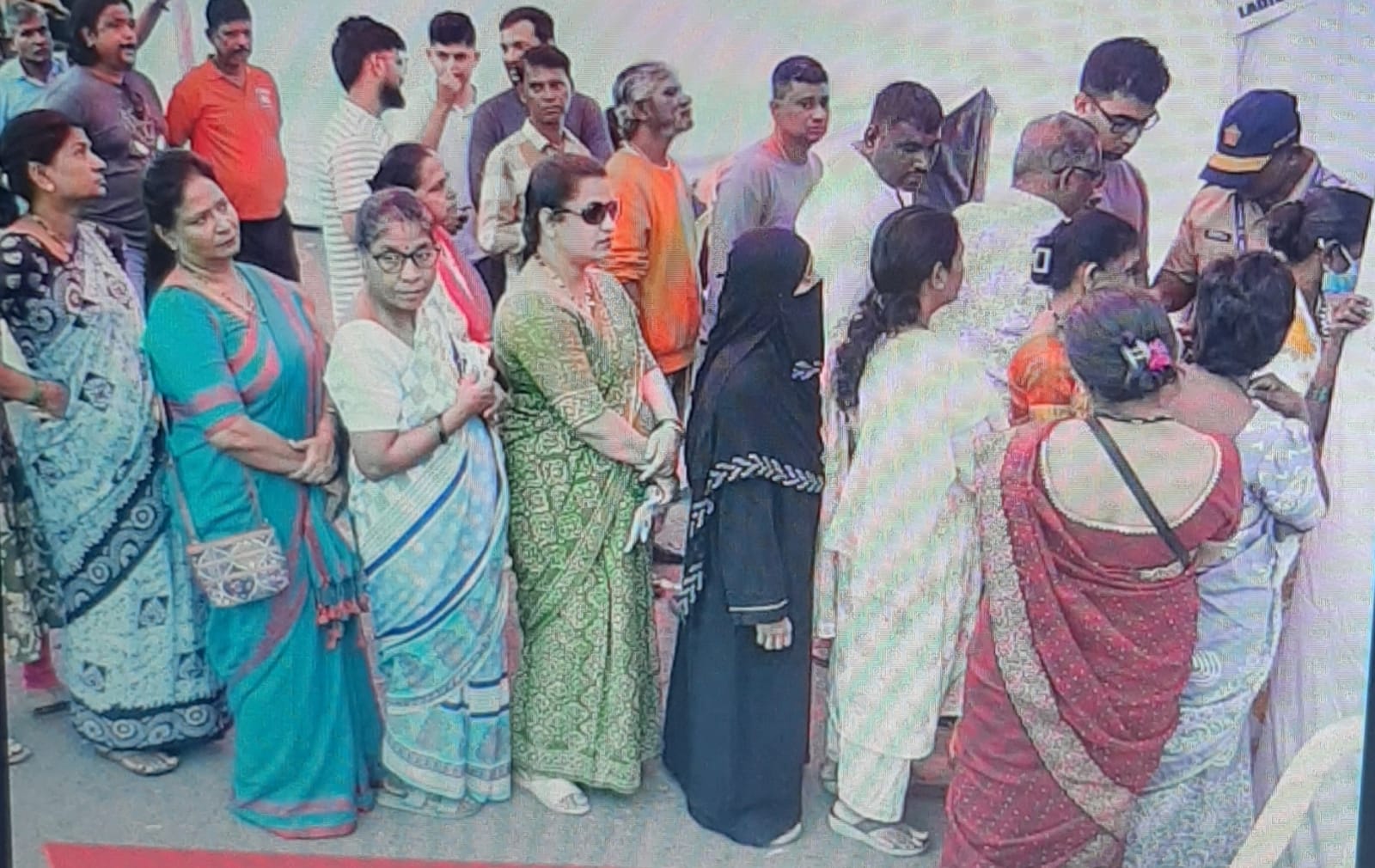
Three, the workers (job card holders) and the Gram Panchayat and Gram Sabha would be kept busy for the next year or two in the work of fresh registration and issuing new Gramin Rojgar Guarantee Cards. How it would be different from the existing job cards is not clear. This way crores of workers would be engaged in this existential exercise. One has seen how poor people stood in queues for days on end to exchange their old notes during the ‘demonetisation’ exercise!
Four, the promised 125 days of work on demand would remain on paper. There would be excuses galore for failure to provide work. These could range from non-release of funds to works not getting displayed on the portal under the Viksit Bharat Panchayat Plans.
Five, there is no way in which the worker in the GP is going to take on the might of the state government. The bureaucracy would be ready with ‘explanations’ and the right would remain ‘non-enforceable’. No mechanism for making the right to work enforceable has been prescribed in the Bill.
Six, the implementation of the new scheme would suffer from ‘excessive centralisation’ as it has been designed that way. If the Viksit Bharat Panchayat Portal is down, people in remote villages would suffer. If internet does not function or Aadhar based payment system or biometric based attendance malfunctions, the workers would have no other option than to sit at home.
Seven, each state would be notifying the two month peak agricultural season when the scheme would officially be closed. This could be July and November in most parts of the country. Bureaucratic lethargy would ensure that even if the labour suffers distress during those months, the response of the government would be pitifully slow. So the 125 days work guaranteed in the ten months would realistically remain a mirage.
Eight, the local government had little say in the implementation of even MGNREGA. Bureaucracy led by the Block Development Officer (BDO) would rule the roost and the elected representatives in GP would continue to function as their subordinate implementing agency.
Nine, technology has failed to curb corruption in other schemes and it is unlikely to succeed here. The social audit infrastructure would largely come to rely more on technology rather than undertaking real social audit.
Ten, the union government can legally (Sec.29(2)) stop the flow of funds especially if the electorate do not opt for ‘double-engine sarkar’.
Eleven, while the right to work is guaranteed by the State government (which alone remains legally responsible for payment of unemployment allowance), all the controls remain firmly with the union government merely because it provides 60 percent of the funds for the scheme.
This could have been a golden opportunity to address the structural issues and make people-led ‘people-centric’ development plans a reality by strengthening local governments and making them responsible for implementing the guaranteed right to work[i]. Citizens would then have had a better chance to ensure accountability of the local government. In the present bill, no effort has been made to break the stranglehold of the bureaucracy over the scheme and the BDO and the District Collector continue to wield real power and remain unaccountable to the Block Panchayat or the District Panchayat. Gram Sabha continues to remain weak in most States. Thus, the position of the poor (digitally challenged) workers belonging to the marginalised sections of the society is unlikely to see any real change in the near future. As the new bill apparently does not address even the existing flaws in the Act, it’s introduction may perhaps be seen as a fitting requiem for MGNREGA.
(Sunil Kumar is a visiting senior fellow associated with Centre for Co-operative Federalism and Multi-level Governance in Pune International Centre and a former civil servant. Views expressed above are personal.)
[i] Two decades of MGNREGA: Time to Address Structural Issues – Sunil Kumar; Published on 14.06.2025 in Urban Mirror: https://urbanmirror.in/two-decades-of-mgnrega-time-to-address-structural-issues/