

The World Inequity Report 2026 says that the top 1% of the population in India holds 40% of the wealth, making the country one of the most unequal countries in the world, The richest 10% hold about 65% of the total wealth, the report said. In terms of income inequality, the top 10% of earners receive about 58% of national income, it said. The bottom 50% get only 15%. Overall, inequality in India remains deeply entrenched across income, wealth and gender dimensions, highlighting persistent structural divides within the economy, writes former IAS officer V.S.Pandey
Democracy is for promoting the welfare of the people, as their votes set up governments – to look after their inclusive overall interest. So only a miniscule section of the population cannot be favoured and become the sole beneficiaries of any democratic governance structure. But this is what has been unfortunately allowed to happen for decades under the garb of various jargons/isms , without confronting the ill-effects of terribly flawed policies. The recently published Inequality report authored by globally renowned experts has again highlighted the issue of serious inequality prevalent across the globe but especially in our nation, India.
Ours is a developing country with a meagre annual per capita income, ranking almost lowest amongst the nations. We rank poorly in the overall human development index ladder. To top it all, according to the latest inequality report, we are one of the most iniquitous nations on the planet.
The recently published World Inequity Report 2026 says that the top 1% of the population in India holds 40% of the wealth, making the country one of the most unequal countries in the world, The richest 10% hold about 65% of the total wealth, the report said. In terms of income inequality, the top 10% of earners receive about 58% of national income, it said. The bottom 50% get only 15%. Overall, inequality in India remains deeply entrenched across income, wealth and gender dimensions, highlighting persistent structural divides within the economy, it added.
This is one of the most critical issues facing our nation and needs to be tackled on top priority before it morphs into a serious social unrest issue. Globally also the situation is bad, although wealth has reached historic highs, but remains “very unevenly distributed”, the report said. It further noted that the top 0.001%, which is fewer than 60,000 multimillionaires, owns three times more wealth than the entire bottom 50% of humans put together. Within almost every region of the world, the top 1% alone hold more wealth than the bottom 90% combined, it added. The report concluded that the global financial system continues to be rigged in favour of the rich countries.
Undoubtably, India has witnessed remarkable economic growth over the past few decades, yet this prosperity has been accompanied by a disturbing rise in inequality. How greatly the lopsided economic policies of successive federal governments in our country have adversely impacted the lives of our people and their impoverished economic condition was laid bare by a paper published last year titled “Income and Wealth Inequality in India, 1922-2023: The Rise of the Billionaire Raj” by world inequality report .According to this report, inequality in India has skyrocketed since the early 2000s, with the wealth share of the top one per cent of the population rising to 40.1 per cent in 2022-23. The paper stated that between 2014-15 and 2022-23, the rise of top-end inequality has been particularly pronounced in terms of wealth concentration.
The paper authored by the world renowned economist Thomas Piketty (Paris School of Economics and World Inequality Lab) and others ,concluded that in the year 2022-23 the inequality in India is at its highest historical level and India’s top one per cent income share is among the very highest in the world, higher than even South Africa, Brazil, and the US.”
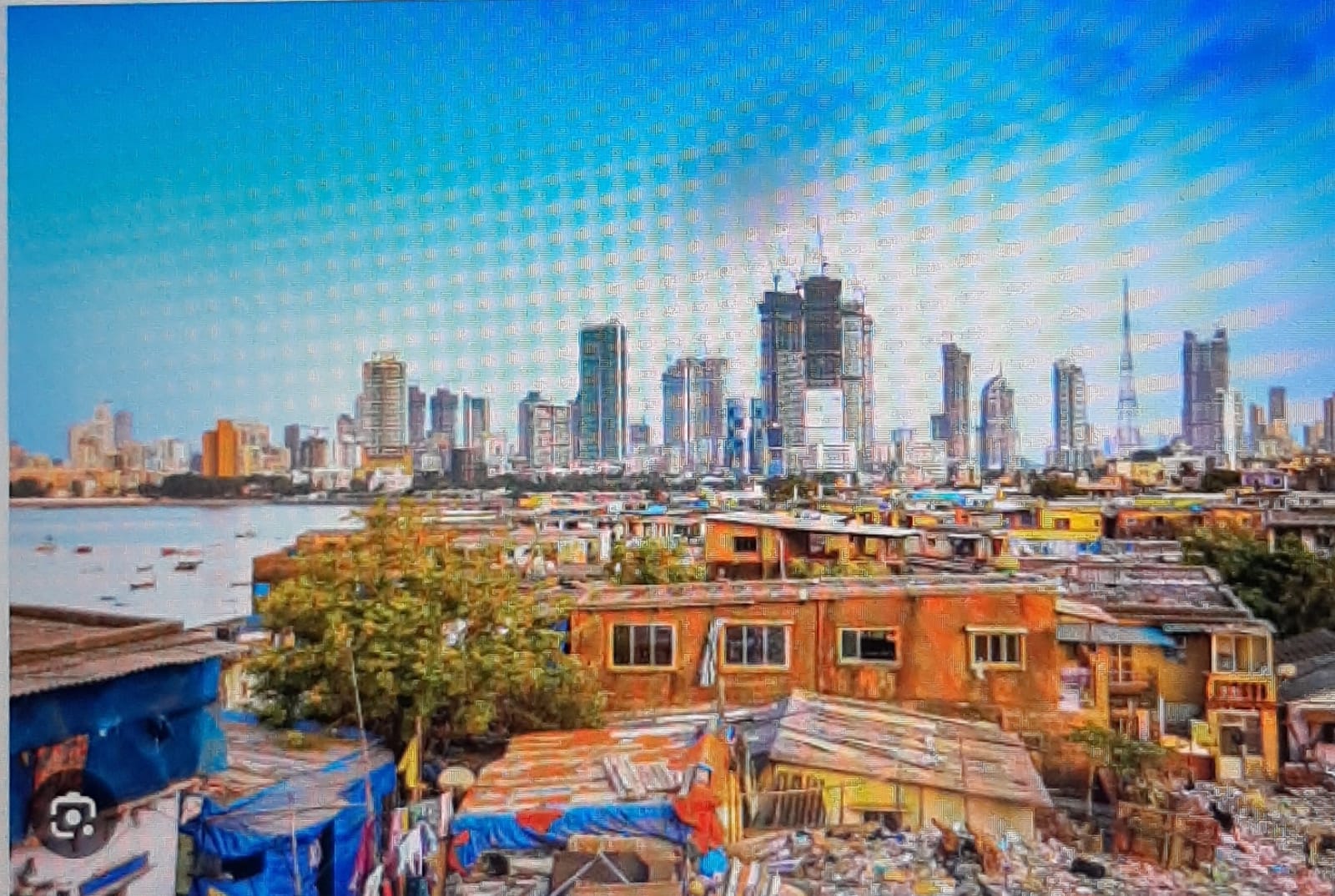
The stark reality is that since India, which won its Independence in 1947, opened its markets to foreign investment in 1992, its number of billionaires has surged. Data from Forbes billionaire rankings show the number of Indians with net wealth exceeding $1 billion rose from one in 1991 to nearly 200 in 2025. The 10,000 wealthiest individuals own an average of Rs.22.6 billion in wealth—16,763 times the country’s average. These shocking facts declare that the ‘Billionaire Raj’ headed by India’s modern bourgeoisie is now more unequal than the British Raj headed by the British.
The findings of the report should alarm government. India cannot move forward with such extreme concentration of wealth in only a few hands. This dangerous trend- if not reversed immediately will imperil our democracy. The lopsided economic policies have already caused a burgeoning gap between the haves and have-nots and this will have deleterious consequences for us as a nation. To begin with, we need to come up with progressive taxation policies urgently and ensure that they are strictly complied with. All the existing loopholes must be plugged which enable the rich and powerful to evade taxes and defraud the pubic exchequer. The situation is alarming. Delays will prove costly. Confucius, the renowned Chinese philosopher resonates in our current scenario, “In a country well governed, poverty is something to be ashamed of. In a country badly governed, wealth is something to be ashamed of.”
(Vijay Shankar Pandey is former Secretary Government of India)