

The grievance redressal mechanism is in tatters at all levels of the government. Most grievances filed on digital portals ‘virtually’ are also redressed ‘virtually’. Nothing happens on the ground. Citizens can keep running in circles especially if they happen to be poor and uninfluential, writes former IAS officer Sunil Kumar
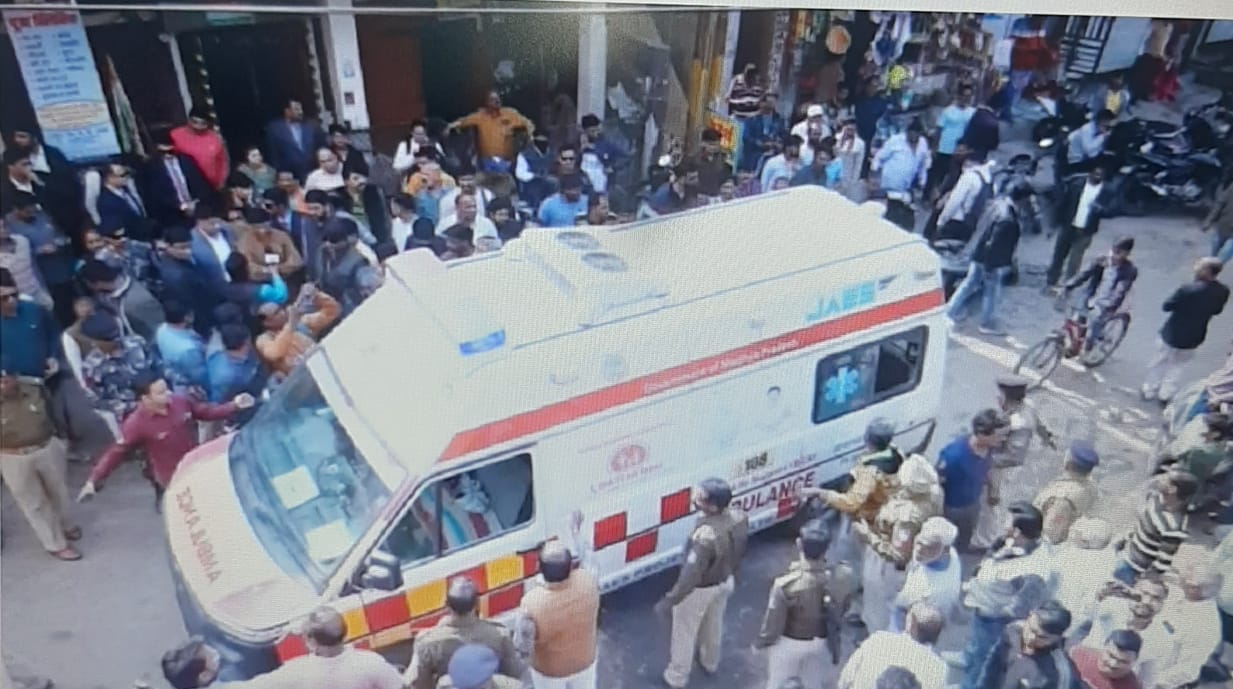
A tragedy unfolded in the last week of December 2025 in Indore which was weeks in the making. It is reported that at least ten people have died due to health complications arising out of drinking contaminated water in the densely populated Bhagirathpura locality of Indore. This locality is inhabited by about 15,000 residents belonging to the economically weaker sections. Initially, attempts were made to sweep the issue under the carpet but that backfired. Now senior officials led by the Municipal Commissioner and Additional Commissioners have been transferred, lower departmental officials have been suspended, compensation to the deceased and seriously affected announced and detailed inquiry ordered. The unfortunate incident has perhaps for the first time brought the BJP model of development under critical scrutiny and also raises questions about the responsibility of civic agencies.
The incredibility of people dying due to drinking contaminated water in the city crowned the ‘cleanest’ city of India for the last eight years and the initial callous response of the State Urban Development Minister has perhaps fostered media outrage and prompted writing of editorials in national newspapers. Otherwise this news would have been buried in the inside pages and perhaps been quietly forgotten. However, the reactions, by and large, have still focused on the present and missed the larger systemic issues which plague urban governance. I will list out a few of them below.
First, what has happened in Indore is waiting to happen in other towns and cities of India. It would be interesting to find out from all the civic agencies in urban areas as to when the sewerage and drinking water pipe lines were first laid? Is there any system of inspection for identifying the vulnerable leakage points and preventing mixing up of sewerage waste and drinking water? What length of pipelines (and in which localities) have been renovated and at what cost? What proportion of funds are spent on ensuring supply of clean drinking water and treatment of sewerage waste compared to those spent on building flyovers, rebuilding and relaying of the same roads and footpaths and fancy parks, lights etc. along the main boulevards? What system is in place for ensuring quality control of water supplied to households?
The answers would be surprising. Not even 50 percent of the city population is covered through piped drinking water supply system even in big Municipal Corporations and the figure worsens in smaller Municipalities and Nagar Panchayats. The position relating to underground sewerage system and treatment of sewerage waste is even worse. Let citizens file RTI applications and obtain data for their towns and cities. If they manage to get the correct data it would be an eye opener. However, that seems to be a tall order given the multiplicity of agencies/authorities responsible for construction, operation and maintenance of water works, sewerage lines, sewerage treatment plants (STPs), monitoring of pollution etc. Reports presented even before the National Green Tribunal do not pass muster.
Second, it has been at least three decades ever since government departments and civic agencies have abdicated their responsibility to supply drinking water which citizens could drink straight from the tap! Readers may note the emergence and growth of multi-billion dollar bottled drinking water industry (about 8 billion USD in 2025) in the country during this period. Today, even the Railways (which carries upto 3 crore passengers every day) is in the business of selling bottled drinking water (Rail Neer). The Indian water purifier market has also grown to about 3 billion USD in 2025. The net result is that in the Indian psyche tap water supplied by the civic agencies is no longer considered drinkable. RO drinking water plants are the new ‘symbols’ of development and are being promoted by MPs and MLAs who are freely recommending their establishment in towns and villages using their MPLADS & MLALADS fund.
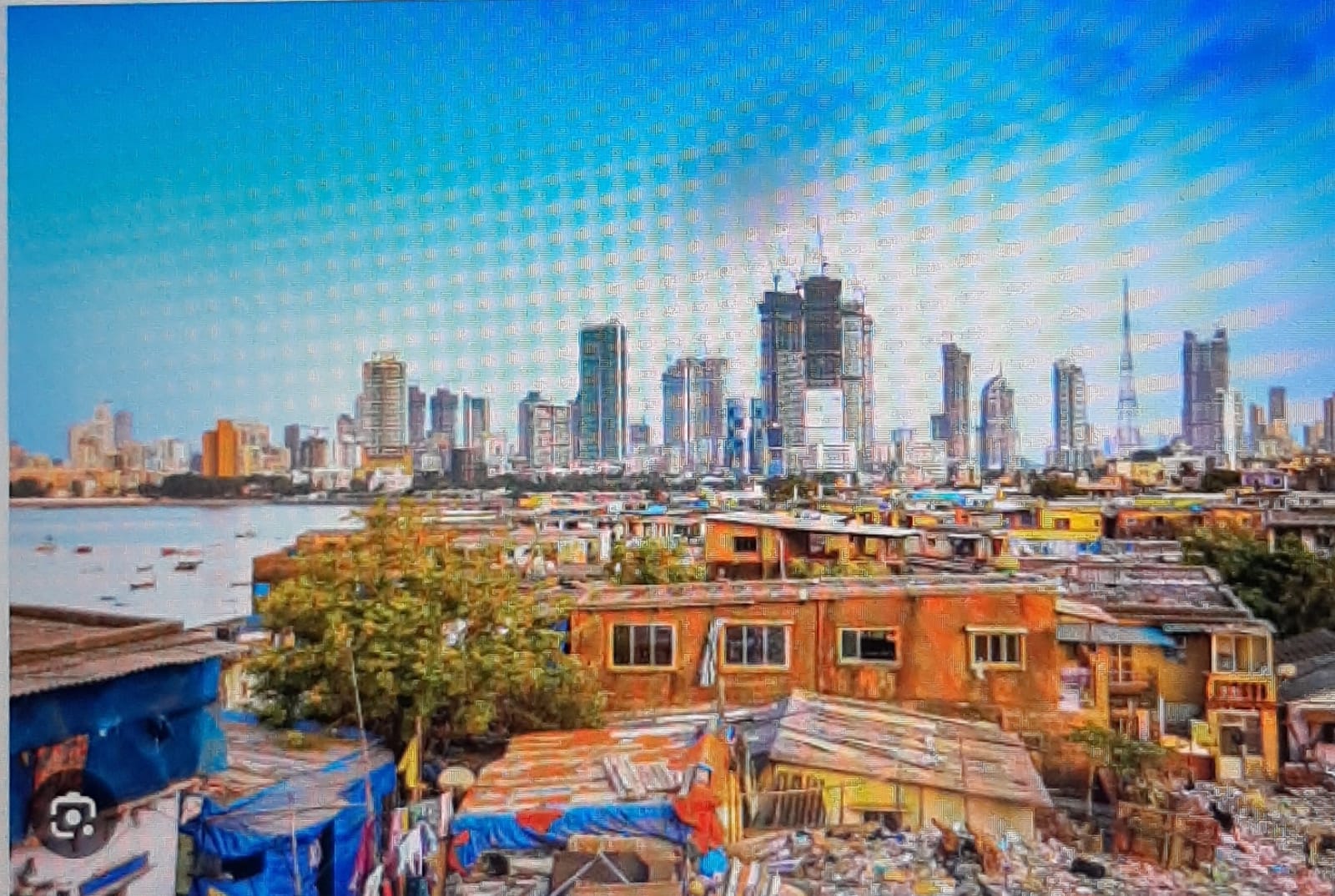
Three, the focus of governance has shifted to form over substance in recent years. The obsession of local officials with winning awards (and the associated public accolades) has led them to focus on visible, glamorous and glitzy works rather than tackle hard, basic and invisible work related to governance. It is much easier to ‘beautify’ parts of the city (especially those areas frequented by the elites) than undertake invisible works which have a long gestation period. Hence the focus is on construction of fly-overs, road widening, beautification of road stretches, ensuring collection and removal of waste from important visible quarters of the towns and cities (rather than the underbelly), construction of new parks, establishing digital transport control centres with fancy ‘digital walls’, dashboards etc. which give an impression of living in a ‘smart’ city. Unfortunately, laying/relaying, repair and renovation of drinking water and sewerage pipelines (especially in the poorer and less affluent areas of the cities) do not seem to figure in their priority list.
Four, the retrograde Indian practice of ‘covering up’ deficiencies and hiding them from public gaze momentarily (rather than fixing them permanently) especially during VIP visits and then forgetting them altogether deeply pervades the bureaucracy at all levels. Local governments are no exception. Clean-up and cover-up of overflowing garbage dumps by the bureaucracy (and cover-up of stinking drains by Indian families during the period when wedding ‘baraat’ arrives) is a case in point.
Five, the structure of urban local governments wherein real power is concentrated in the hands of the Municipal Commissioner and other senior officials rather than the elected representatives (be it the Mayor or the Corporators) and their lack of accountability to the elected representatives seriously precludes attempts to fix responsibility. Hence, we have the shameful visuals of the Mayor and the Corporators expressing their ‘helplessness’ (real or otherwise). There is almost a complete absence of effective ‘accountability mechanisms’ in the urban local governments which could enable the elected representatives to rein in the bureaucracy.
Six, the almost complete lack of autonomy, administrative or financial (barring the few relatively strong Municipal Corporations) of the urban local governments and their complete dependence on the state urban development department for resources ensures that strong local governments with autonomy to decide which central or state scheme to implement in their jurisdiction and formulate and undertake their own schemes remains on paper. They remain, at best, implementing agencies of the government.
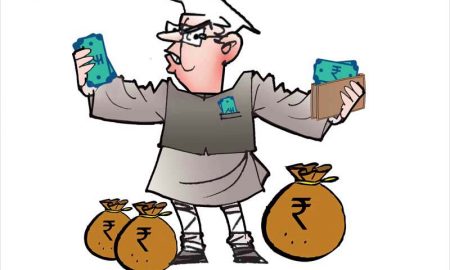
Seven, the grievance redressal mechanism is in tatters at all levels of the government. Most grievances filed on digital portals ‘virtually’ are also redressed ‘virtually’. Nothing happens on the ground. Citizens can keep running in circles especially if they happen to be poor and uninfluential.
Eight, given the fact that Madhya Pradesh figures in the top five States on the Urban Governance Index 2024, it is perhaps also a time to pause and reflect on the quality of data provided by the state and local governments. Somewhere there is a disconnect between what is shown and what is the reality on the ground.
Nine, the almost complete absence of discussion and demand for change by the local government elected represntatives seems to suggest that the party structure does not promote independent thinking on the subject or else they are content to wait for their chance to wield the power of MPs and MLAs as and when the party bosses shower their benevolence on them. Till such time, they need to toe the party line, defend the ‘triple engine’ governance model, publicly support big-ticket ‘visible symbols’ of beautification and development of the city and remain happy with whatever they can salvage by way of their commission from the contractors executing work in their areas.
Needless to say, accountability and transparency are the twin pillars of good governance. Undue focus on form over substance coupled with greed and apathy of local government functionaries is a sure recipe for repeat of similar tragedies in other urban areas with increased frequency given the rapid pace of unplanned and unorganized growth of cities and towns (in terms of area as well as population) fuelled by increased internal migration.
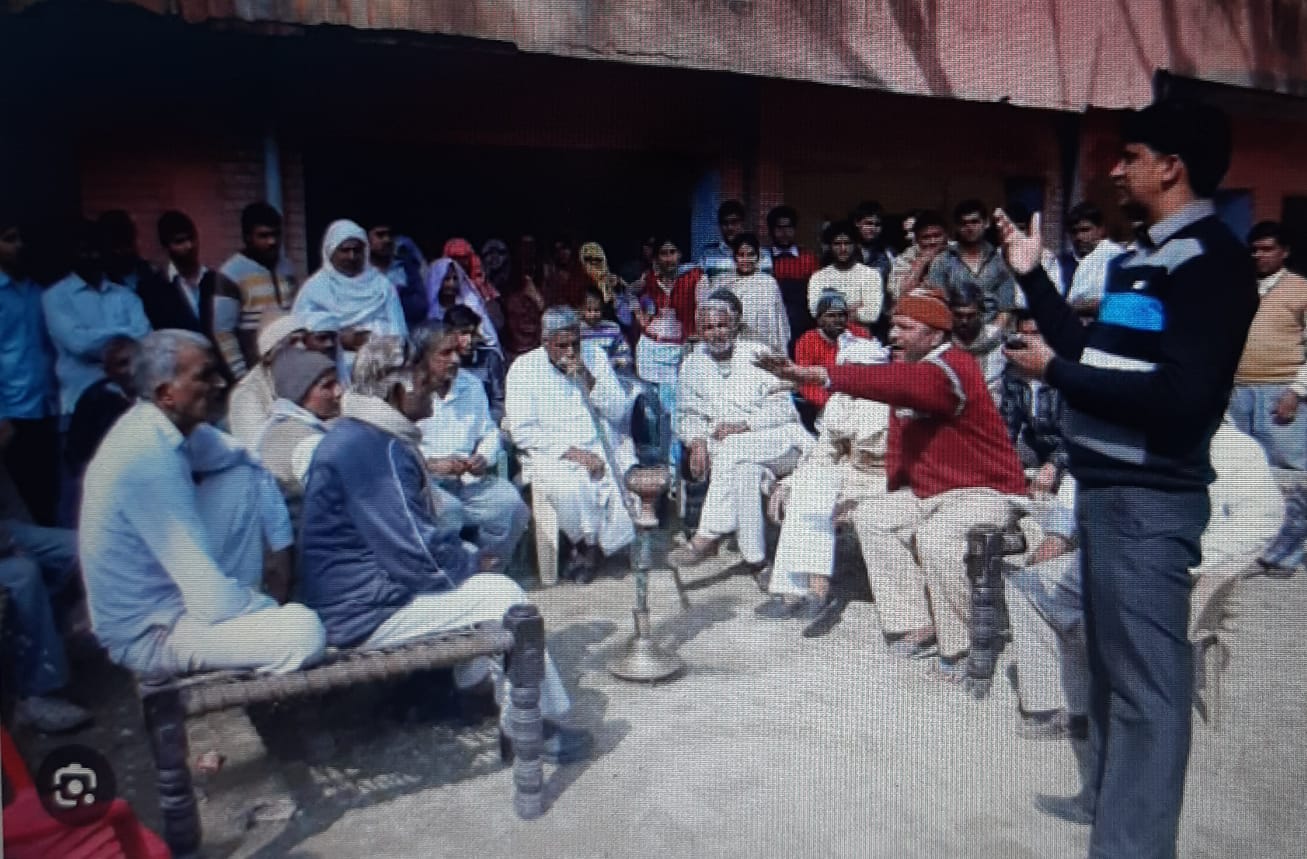
While there seems to be little possibility of any official being punished much less an elected representative or Minister being held accountable and forced to resign, it is time citizens began to loudly demand and agitate for delivery of safe drinking water and sanitation services (to begin with) as per established service benchmarks. This could compel the state and union governments to address the structural and design flaws in the urban governance system. Urban local governments led by the mayors and local councils have been described as “the weakest organs of the state, closest to the citizenry, but tasked with the toughest problems to solve”[1]. This needs to be set right urgently.
(Sunil Kumar is a visiting Senior Fellow associated with Centre for Cooperative Federalism & Multilevel Governance in Pune International Centre and a former civil servant. Views expressed are personal.)
[1] Ankur Bisen, author of Wasted ; https://www.bbc.com/news/articles/cp9kp2kx329o