

Secular and tolerant societies often grapple with the balance between freedom of speech and the need to curb hate speech. While open discourse is essential, speech that incites violence or hatred undermines the principles of a just society writes former IAS officer V.S.Pandey
Secularism is part and parcel of our constitutional framework whereas tolerance is often regarded as the cornerstones of our cultural ethos and modern democratic societies. They collectively in effect foster harmony, unity, and diversity by allowing individuals to live according to their beliefs and practices without interference or fear of discrimination. However, a critical question arises: Does secularism and tolerance imply condoning any form of wrong? The answer is a nuanced one, as it requires distinguishing between upholding freedoms and accepting actions that violate ethical, legal, or societal norms.
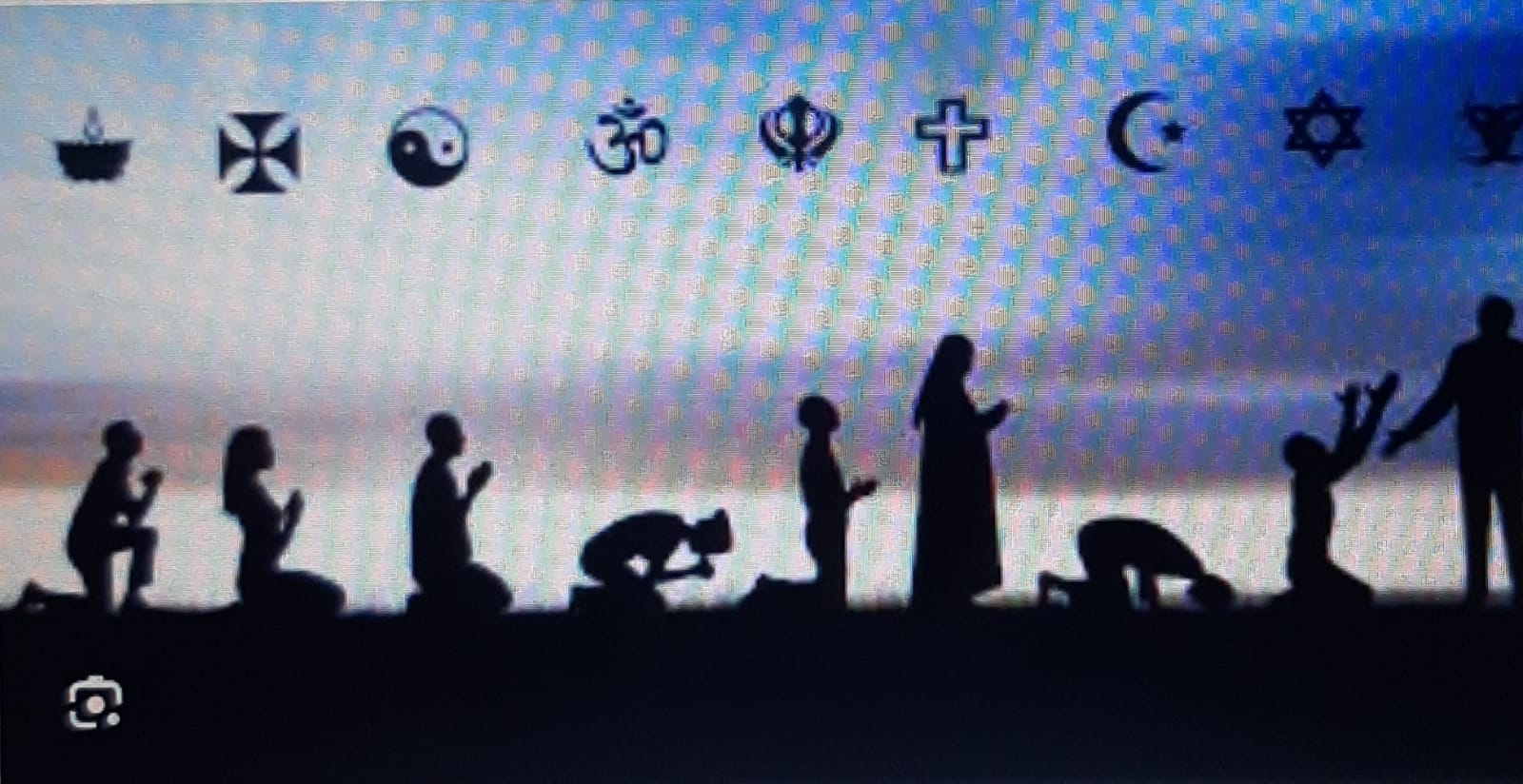
Simply put, Secularism refers to the separation of religion from the state, ensuring that governance is free from religious influence. It creates a neutral platform where all religions or belief systems are treated equally, preventing discrimination or favoritism. Tolerance, on the other hand, is the willingness to accept differences, whether they pertain to race, religion, culture, gender, or ideology. Together, secularism and tolerance promote pluralism and coexistence in multicultural societies.
However, the essence of these principles is often misinterpreted. Tolerance does not imply unconditionally accepting all actions or ideologies, especially when they infringe on others’ rights or undermine justice. Similarly, secularism does not advocate for moral relativism or indifference to unethical behavior. Instead, both principles aim to balance freedom with accountability, ensuring that diversity does not become a pretext for endorsing harm.
Undoubtedly, tolerance has its boundaries. While it encourages respecting diverse perspectives, it cannot extend to practices or ideologies that perpetuate harm, injustice, or oppression. For instance, societal issues such as honor killings, child marriage, female genital mutilation, or racial discrimination cannot be justified under the guise of cultural or religious freedom. Such practices violate fundamental human rights and undermine the very principles that secularism and tolerance seek to protect.
Philosopher Karl Popper introduced the concept of the “paradox of tolerance,” which states that unlimited tolerance can lead to the destruction of tolerance itself. If a society tolerates intolerant ideologies, it risks enabling the suppression of freedoms and justice. Therefore, tolerance must be exercised with discernment, ensuring it does not facilitate the growth of harmful practices or beliefs.
Secularism, on the other hand , by its definition, ensures impartiality in governance. It allows individuals to follow their beliefs freely without state interference, but it also upholds a framework of laws and ethics that applies equally to all citizens. These laws are meant to protect individuals from harm and ensure fairness.
For example, a secular state may permit religious practices such as fasting or prayer, but it cannot condone actions that harm others, such as forced conversions or acts of violence justified by faith. By maintaining a clear boundary between personal beliefs and public policies, secularism safeguards societal harmony while preventing the misuse of religious or ideological freedoms.
Several real-world scenarios highlight the consequences of misinterpreting secularism and tolerance In some instances, tolerance towards extremist ideologies has allowed radical groups to gain footholds in societies. The failure to address hate speech or incitement to violence under the pretext of religious freedom or free speech can lead to societal unrest and violence.
In societies that preach tolerance, addressing these issues requires careful navigation to avoid being labeled as intolerant or disrespectful to cultural diversity. However, ignoring such practices perpetuates systemic injustice.
Secular and tolerant societies often grapple with the balance between freedom of speech and the need to curb hate speech. While open discourse is essential, speech that incites violence or hatred undermines the principles of a just society.
The key to resolving the tension between secularism, tolerance, and addressing wrongdoing lies in balancing freedom with responsibility. Freedom of belief, expression, and practice is vital, but it must coexist with a commitment to justice, equality, and the protection . Addressing sensitive issues such as harmful cultural practices or extremist ideologies requires collaboration with community leaders, activists, and organizations. This ensures that change is respectful and inclusive rather than imposed.
Ultimately, secularism and tolerance are not passive ideals; they demand active engagement. A society that upholds these principles must also take a stand against injustice, oppression, and harm. It must create spaces for dialogue and dissent while ensuring that no one is above the law.
For instance, when addressing practices that violate human rights, a secular society should prioritize universal ethical standards over cultural or religious relativism. This does not mean erasing cultural identities but rather encouraging their evolution in ways that respect human dignity and equality.
Secularism and tolerance do not mean tolerating any form of wrong. Instead, they represent a commitment to creating inclusive, just, and equitable societies. These principles require vigilance, discernment, and action to ensure that freedom and diversity do not come at the cost of justice and human rights.
By understanding and upholding the limits of tolerance and the ethical responsibilities of secularism, we as a country, can foster an environment where diversity thrives without compromising on the values of fairness, dignity, and respect for all. In this way only , our secular constitutional framework can become tools for progress and bring prosperity and wellness for all our citizenry. Then only Indian will become great again .
(Vijay Shankar Pandey is former Secretary Government of India)