

The Djinn is finally out of the bottle. Education is just the beginning. Eventually questions would cover all sectors and all subjects. The government must realize that ultimate sovereign power resides in the people of India. Governments at all three levels – local, state and union – are only custodians or trustees of public trust. Questions raised by the citizens must be addressed writes Sunil Kumar, a former civil servant.
In politics, when in power, leaders are obsessed with the first hundred days, whether in the state or union government. But this time, Indian politics has seen a sea-change vis-a-vis the government in power and its most recent, not its first, hundred days. These last hundred days have been momentous from the point of view of the citizenry although not necessarily from that of the ruling dispensations whether in the Union or States. Surprisingly, things have not gone the way of the latter. For once, the narrative-setting power of the BJP, the ruling party at the Centre and in several states, appears considerably diminished. It seems the kowtowing to the dictates of the BJP governments, ensured through abuse of state power and state institutions like the CBI, ED and the Income Tax, is at last giving way. The veil of fear seems to have finally lifted.
This has been made possible by the protest, first launched by Gen Z and, now being taken to the next level by Gen Alpha. For easy understanding, Gen Z refers to those born after 1996 and are below the age of thirty on date while Gen Alpha refers to those born after 2012. It is estimated that these constitute roughly 50 percent of India’s population as on date.
The founding of the Cockroach Janta Party (CJP) came as a satirical response to an observation made by the Chief Justice of India (CJI) during the course of a hearing in the Supreme Court (since denied by him). The CJP soon acquired a totally different dimension altogether, much to the surprise of all stakeholders including, perhaps, its founders and the political pundits. It greatly upset the applecart of the ruling dispensation which was basking in the glory of its massive electoral success in the West Bengal Assembly elections and the Machiavellian machinations of breaking the MPs and MLAs belonging to the Trinamool Congress (TMC) and Shiv Sena (UBT). The breaking-up of these political parties was in keeping with the BJP’s pursuit of an elusive two-thirds majority in the Lok Sabha required for ensuring the safe passage of the Constitution Amendment Bills relating to operationalization of women reservation and delimitation. The standard tool-kit developed by the BJP seems now to have come unstuck and the state seems to be at a loss as to how to respond.
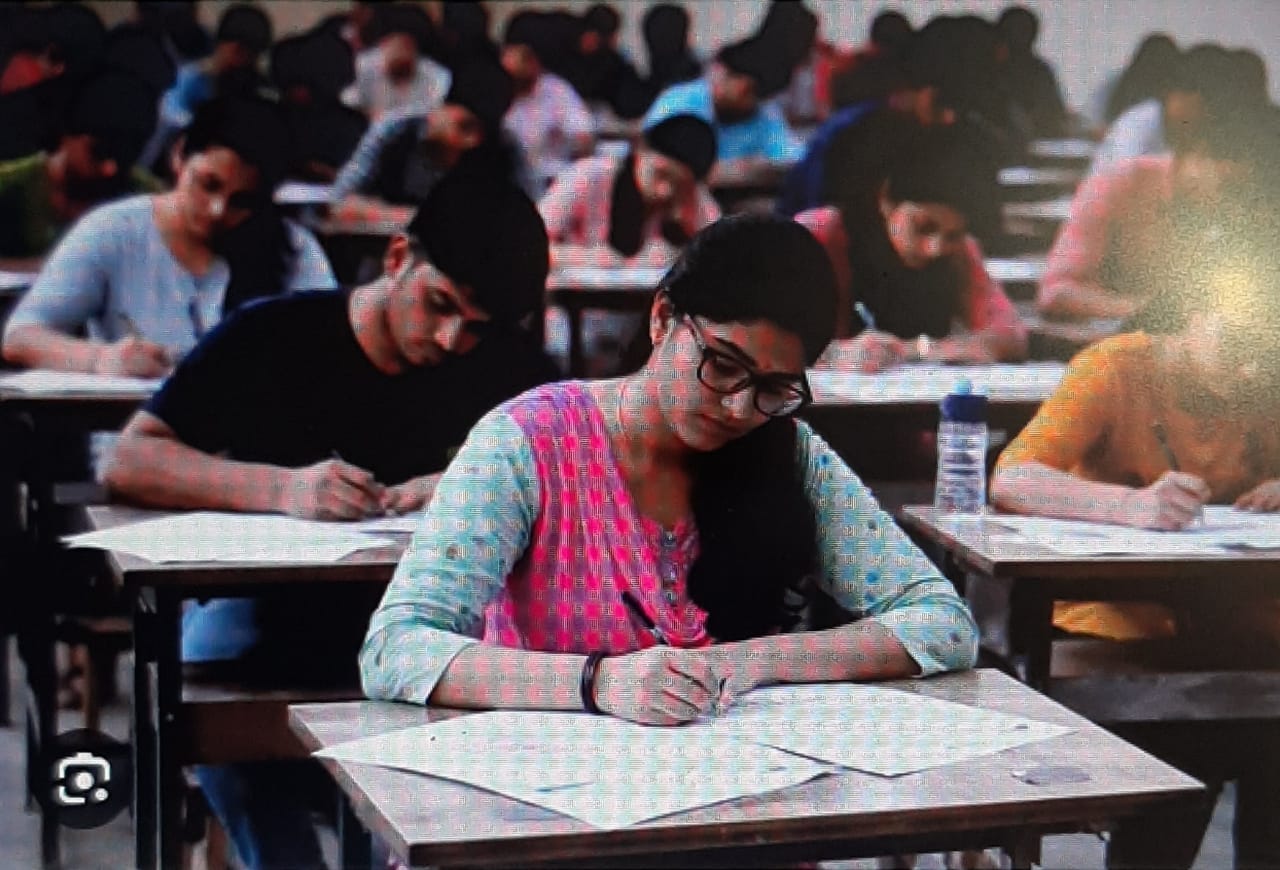
What started with demands related to alleged irregularities in holding of competitive entrance examinations by the National Testing Agency (NTA), established by the Union Government with great fanfare in 2017, soon blew up into demands of fixing accountability and taking action against those responsible. The NDA government, since its inception in 2014, has consistently used its brute majority in Parliament to steer legislations that centralized powers and stripped the role and powers of State governments even in matters like holding entrance exams for admission to MBBS seats. Once the paper leaks happened, it could not contain popular unrest merely by taking action against minions in the NTA or in the Education Ministry. As a result, for the first time in twelve years, the demands snowballed into the demand for resignation/sacking of the Union Education Minister. The police excesses on unarmed students marching towards Parliament on 20th July, 2026 further fuelled the protest. Ultimately, the Union Education Minister had to resign and the Union government had to eat humble pie. This was a complete loss of credibility and face for a government about whom a senior Union Minister had once famously declared that ‘resignations do not happen in the Modi government!’
The Gen Z protests evoked widespread support from a cross-section of society as the issues at stake were not just one entrance exam but the future of the younger generation itself. Jobs were disappearing from the market. Artificial Intelligence (AI) was threatening to take away jobs from the IT sector which had absorbed millions of youths in the last two decades. Industry leaders were publicly stating that Indian graduates were ‘un-employable’ as they lacked basic skill sets thereby putting a question mark over the value of degrees handed out by Indian Universities. Higher education was increasingly becoming costlier and out of bounds of even middle- class families. Opportunities of studying abroad (read USA) also began to look very difficult and uncertain as the Trump Administration in USA tightened visa norms for foreign students by enforcing strict immigration laws. Taken together, these developments made the future appear very bleak for the young students.
The demand for education reforms is no longer restricted to the higher education sector alone. Questions are now being raised about the abysmal quality of primary and secondary education too. Gen Alpha has now taken to the streets in Rajasthan, Uttar Pradesh, Madhya Pradesh and Maharashtra to demand basic civic facilities like fans in classrooms, clean drinking water and clean toilets for girls. There is a demand to make available subject teachers for Physics, Mathematics, Chemistry etc. in secondary schools. These demands by school students have taken the shine off the multi-crore advertisement campaigns undertaken by State and Union governments where pictures of brand-new school buildings sought to create the impression that all was well with the education sector. Opening of new IITs, IIMs, Medical and Engineering Colleges, PMSHRI schools with shining buildings but limited or no faculty, cannot hide the structural deficiencies of the education system.
The protests by Gen Z and Gen Alpha have laid bare the shortcomings of Indian education right from the primary and secondary school levels to the level of higher education. Experts have written (and continue to write) at length on what ails the education system in the country. The response of the Union and State governments to these developments shows their confusion and helplessness at the same time. In Madhya Pradesh, the state government has reportedly kept in abeyance the decision to close down a Girls Secondary School in Ujjain and shift the students to another school in the face of public protest by girl students. In Rajasthan, the Secondary Education department has issued a circular making entry of outsiders inside school premises an offence, barring school teachers and students from speaking to anyone on any subject connected to the school and threatening to take action under the Bharatiya Nyaya Sanhita, 2023, the Protection of Children from Sexual Offences Act (POCSO), 2012, the Juvenile Justice (Care and Protection of Children) Act, 2015, the Information Technology Act, 2000 and other existing laws.
In Uttar Pradesh, the government has tried to pacify students by promising to post suitable teachers to teach specific subjects and reportedly cited pending cases in the High Court relating to recruitment of teachers to explain the shortage of teachers. In West Bengal, the father of one CJP volunteer was allegedly killed by BJP goons after they had visited the village school in Bankura district during the day to conduct public audit of facilities provided in the school under the ‘school thik karo’ (improve the school) campaign launched by the CJP.
How this campaign will evolve in the days to come is still in the realm of the future. But the important point is that perhaps for the first time students are demanding solutions from the authorities, to the problems they face every day. Gen Z and Gen Alpha, unlike most older citizens, seem to have overcome the traditional deep-rooted awe and fear of government officials and persons in authority. This perhaps is the biggest gain of this protest movement and also holds the greatest promise for strengthening democracy in the country.
By focusing on education, I think the youngsters have made the right choice. Providing good, quality education is the basic function of any government. The questions that are being raised are real and if government officials, political leaders, students and their parents begin to think seriously then the structural and design flaws in the education system would not only become apparent, they would be urgently pressing for correction.
What exactly are these structural and design flaws?
First of all, removing education from the State list and bringing it into the Concurrent list of the Seventh Schedule through the 42nd Constitution Amendment Act in 1976 was a mistake. It would be ideal if this is rectified at the earliest.
Second, the State governments, in turn, would do well to transfer primary and secondary education to rural and urban local governments. The role of State governments could be restricted to conducting Board exams, framing the curriculum, preparing text books, and ensuring teacher training.
Third, it has been a mistake to treat school teachers as employees of the state government and/or creating a state cadre, thereby centralizing their appointment, transfer and posting process. These functions should be transferred to the local government and they could be brought under the District Panchayat. The writ of District Panchayat should cover the entire district (both rural and urban) and necessary amendments in the Constitution would need to be made.
Fourth, the Gram Sabha should be the primary institution where all issues relating to education system (especially primary) can be raised and resolved. Issues pertaining to secondary education raised in meetings of Gram Sabha could be communicated by the Gram Sabha Secretariat to the General Council of the District Panchayat. These institutions are closest to the people and the elected representatives of local governments are easily accessible and directly answerable to the people. Further, all voters are already members of the Gram Sabha. Several States have also made provision for organizing meetings of Bal Sabha in their Panchayat Acts. These institutional mechanisms should be fully utilized.
Once citizens begin to question accountability in the prescribed forums, then the pressure would be on officials to address the issues and to provide satisfactory answers. Accountability of elected representatives as well as the functionaries of education department and local government has to be fixed. School teachers and Principals would be accountable to the local governments so their presence in meeting of Gram Sabha should be mandatory.
The right to organize peaceful protests, including dharna and strike, is a constitutional right and cannot be curbed by the police. However, if institutional mechanisms of redressal are easily available and accessible to citizens, then first utilizing them should be preferred before resorting to protests.
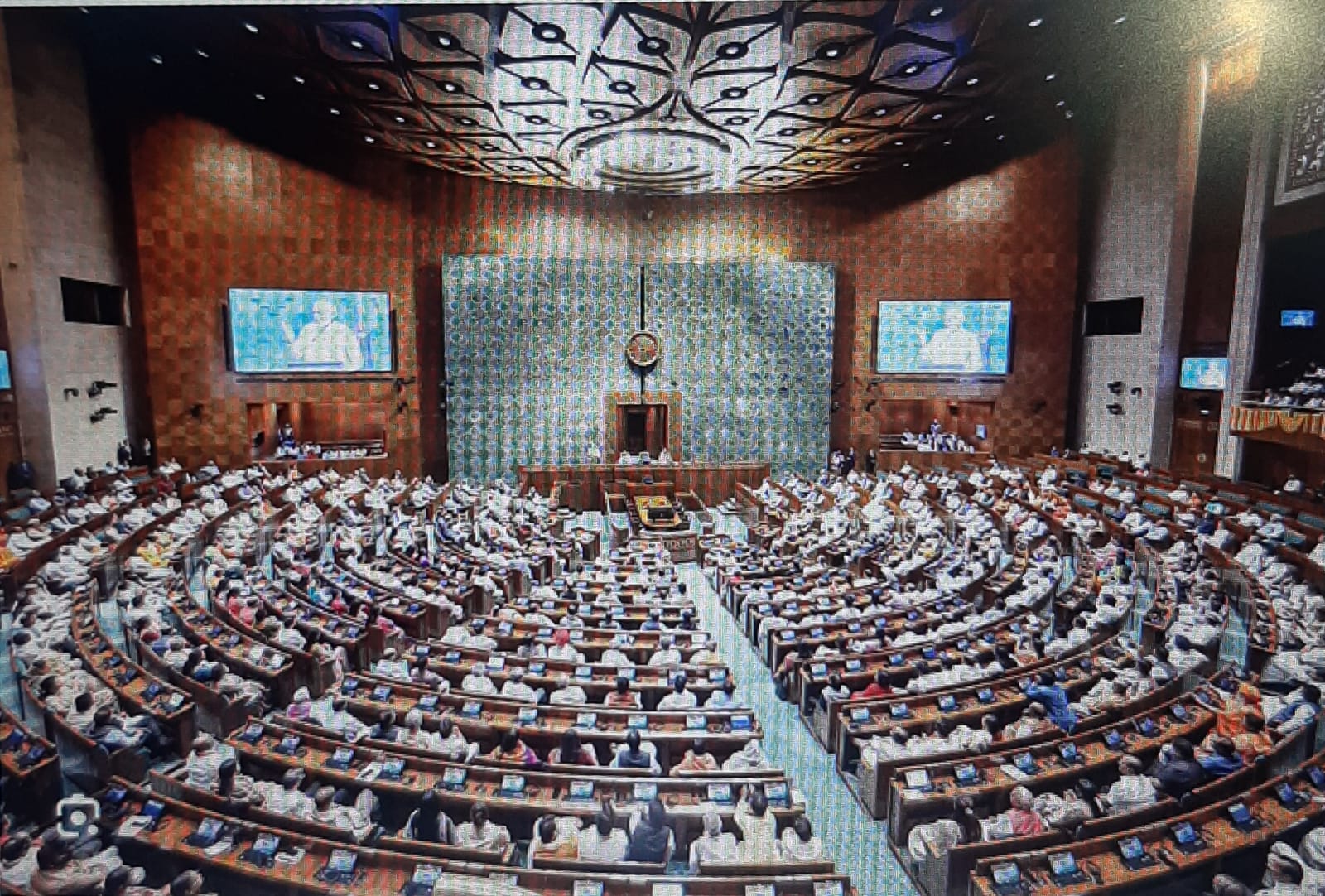
But the credibility of these institutions ranging from Gram Sabha, Vidhan Sabha to Sansad must also be strong. The opportunity to raise questions and receive answers must be unfailingly available. The Opposition must be able to raise issues of public concern and not pummelled into submission through brutal use of parliamentary majority by the ruling party. Unfortunately, in recent times these legislature institutions seem to have become echo-chambers of the government rather than democratic forums for informed discussion and fixing accountability of the government. No wonder, Gen Z and Gen Alpha feel disappointed when the government turns a deaf ear to their problems. When established institutions fail to deliver, protests become the only available option to ensure accountability and transparency.
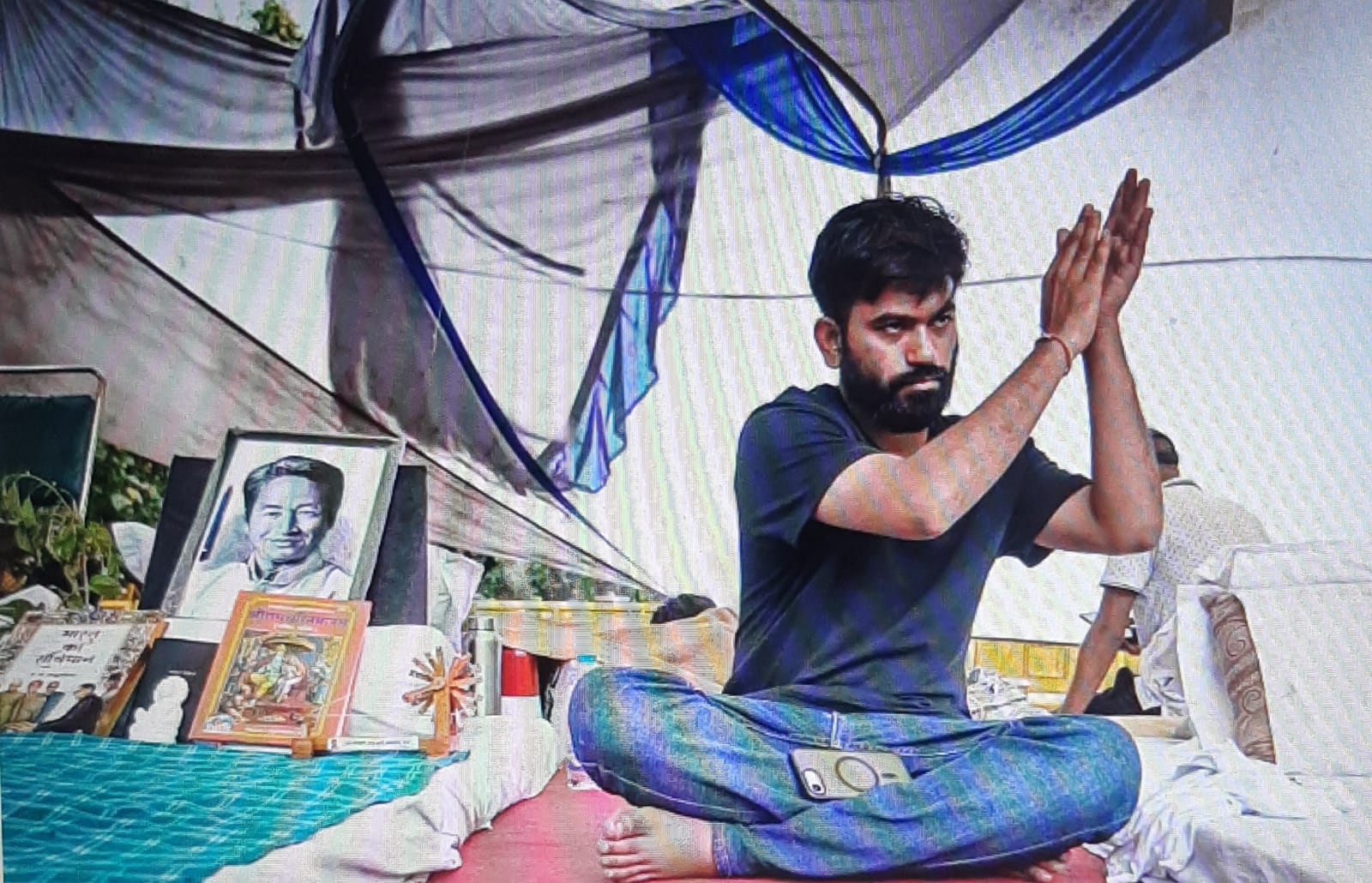
The creative use of social media especially Instagram, X, WhatsApp and You tube etc. by Gen Z and Gen Alpha during the recent protests seems to have taken the government aback and pushed the propaganda wing of political parties onto the backfoot. The heightened activity on the digital stage (which could not be tempered through 1.95 lakh blocking orders issued to social media firms between March to July 2026) was supplemented by the physical act of hunger strike and protest march to Parliament on 20th July, 2026
The Djinn is finally out of the bottle. Education is just the beginning. Eventually questions would cover all sectors and all subjects. The government must realize that ultimate sovereign power resides in the people of India. Governments at all three levels – local, state and union – are only custodians or trustees of public trust. Questions raised by the citizens must be addressed. Institutions like the Gram Sabha in rural areas and the Area Sabha in urban areas must be revitalized so as to provide an institutional forum to citizens to air their grievances and seek redressal. Strengthening local governments in the real sense is the need of the hour. Else the bureaucracy as well as the MPs and MLAs would soon realize that they are in no position to handle all the demands pouring in from every nook and corner of the country. ‘Janata Durbars’ organized by the Chief Ministers and the District Collectors or Centralised Public Grievance Redress and Monitoring System (CPGRAMS) portal are definitely not the answer. The presence of these measures now seem to add insult to injury as they are cast in the traditional mould of rulers granting concessions to their subjects. They are not fitted for modern democracy where the people are sovereign and the government personnel, political and non-political, are wholly answerable to the citizens. Branding citizens raising questions as ‘dimagi naxal’ is not only a fascist construct but also an evasion of the legitimate questions relating to accountability. This is a sure recipe for endangering the legitimacy of the government in a democratic society. Questions raised by the citizenry can be left unanswered by the government only at its own peril as the recent protests show.
Hopefully for the emerging India of Gen Z and Gen Alpha, these protests, signalling the declaration and acknowledgement by the people of their own sovereignty, would also bring into focus the paramount importance of the prevalence of rule of law. The people’s sovereignty in any real democracy can be ensured and sustained if there is complete acceptance of and adherence to the rule of law. The Indian Constitution, the highest law of the land, given by the people of India unto themselves, as also any healthy democratic society, is underpinned by the principle of the rule of law. It is this which guarantees our liberty, equality and fraternity and lays the firm foundations for economic development and social advancement for all individuals.
The uncorking of the Djinn in the bottle in the form of the recent protests is surely harbinger of an era where our democracy would be steadily strengthened and deepened.
(Sunil Kumar is a visiting Senior Fellow associated with Centre for Cooperative Federalism and Multilevel Governance in Pune International Centre and a former civil servant. Views expressed are personal.)
1