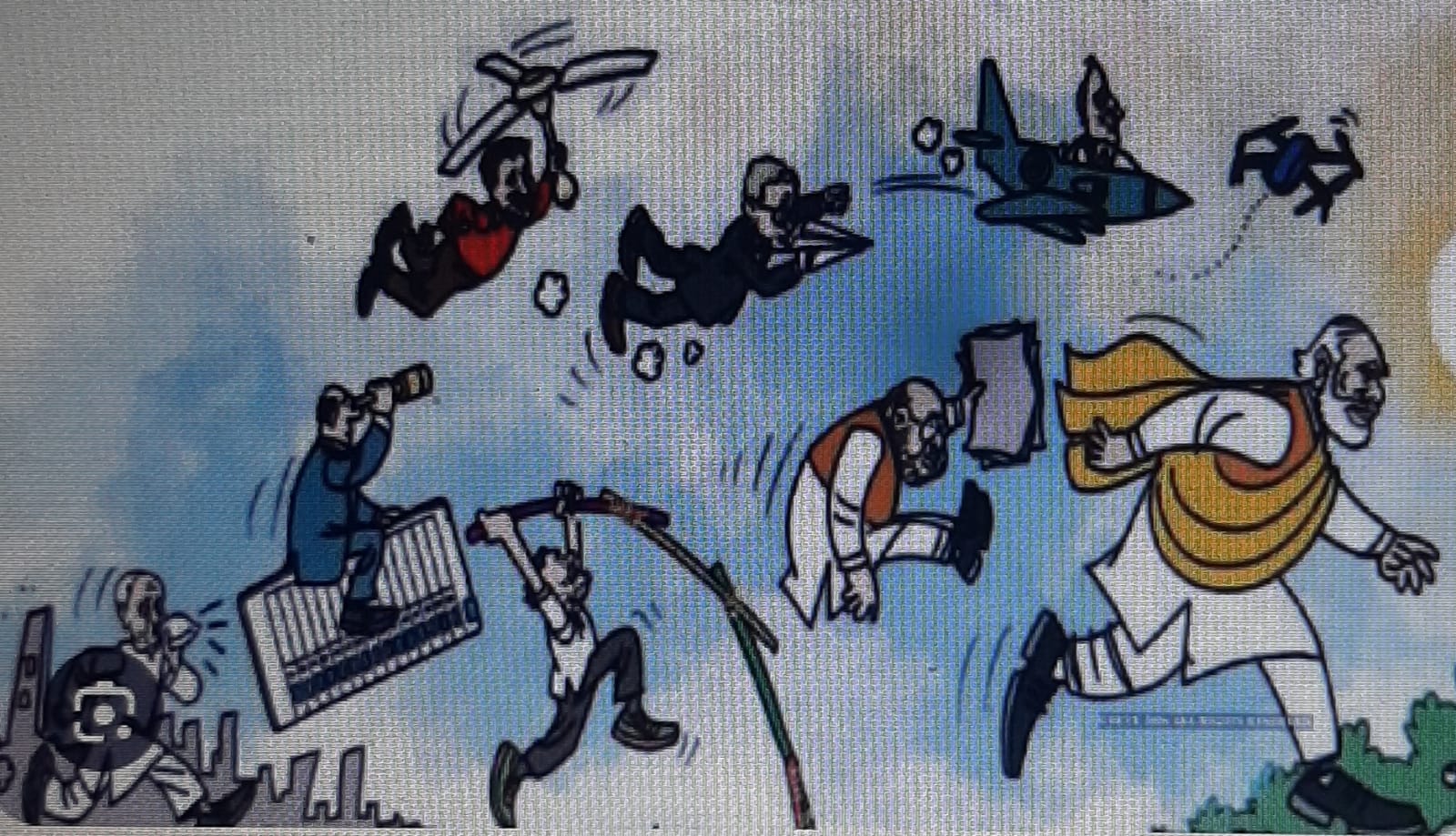


It is clear that attempts to ensure purity of elections have not borne fruits. The number of MPs with criminal antecedents continue to rise with each General Election. Buying of votes continues unchecked. Institutional integrity is at an all-time low. Political parties appear to be uninterested in carrying out a major surgery for weeding out the malignancy of criminalisation of politics. Instead what we are witnessing is a ‘no-holds barred’ attempt by the ruling party to use all possible loopholes in law to ensure electoral victory. It does not matter to them whether in the process all substance is hollowed out of democracy and we are left holding just the empty shell writes Sunil Kumar, a former civil servant.
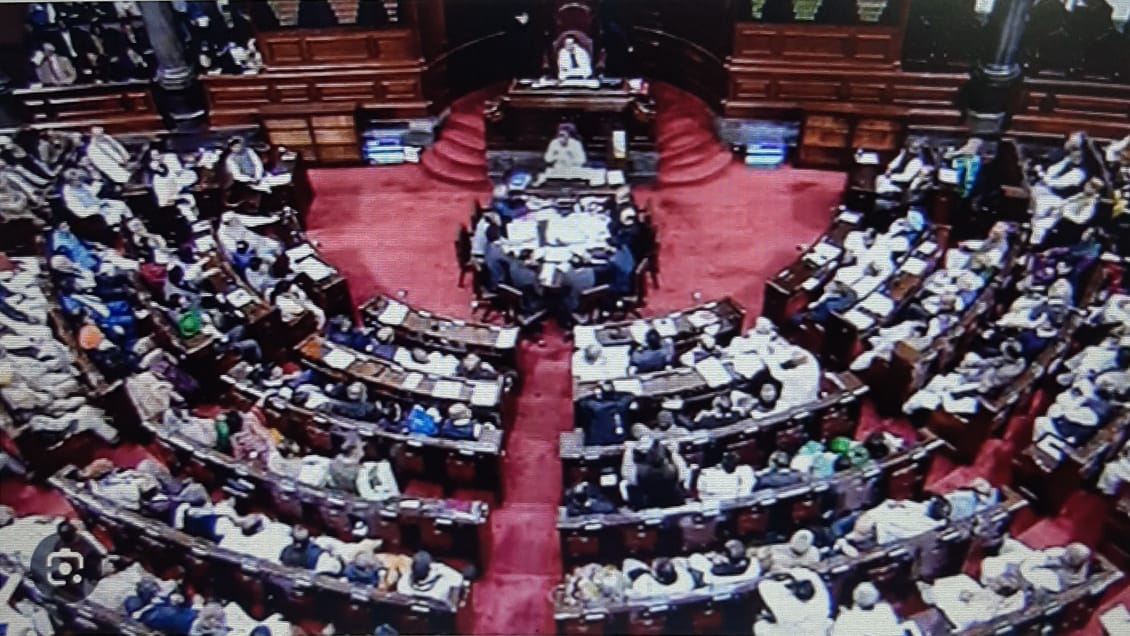
We have just witnessed another round of elections. This time to seats falling vacant in the Rajya Sabha (RS). True to form, these elections have also provided sufficient ‘masala’ to keep all stakeholders busy.
The MPs, whose terms were ending, tried their best to get renominated especially if their party was in power in the State and they had a good chance to win. Four Ministers in Union Cabinet failed this test. Hence, speculation began as to when they would resign and cabinet reshuffle would take place. In other parties, wannabe candidates lobbied hard for nominations if there was a ‘fighting chance’ to win. These elections also see the participation of corporate honchos bitten with the ‘public service’ bug. MLAs look forward to such contests with great interest as it provides them an opportunity to maximise the value of their vote and earn rich dividends. The Party High Command, of course, looks at these contests in the wider context of strengthening their bargaining position in the Rajya Sabha – either by securing a majority of their own (which would lessen their dependence on allies) necessary for passage of bills deemed critical by the Government or, in the case of opposition parties, ensuring that the Treasury benches negotiate with them for securing their support to key bills. Thus, the biennial indirect elections to MPs of Rajya Sabha assumes added significance for all players active on the political chess board.
That the stakes are high is hardly contested. How high is of course determined by the players themselves. The new norm in Rajya Sabha elections, especially after the Supreme Court (SC) judgment upholding the constitutional validity of open ballot system in Rajya Sabha elections introduced in 2003,[i] is that political parties issue whip and defiance of party whip leads to action against errant MLAs under the Anti-Defection Act. This, however, has not stopped occasional defiance of party whip by MLAs and defeat of official candidates sponsored by political parties. This trend is seen more in some States than others. In the recent past, such incidents have happened in Himachal Pradesh, Haryana and Jharkhand among others.
In the current election cycle (June 2026), elections to 24 RS seats falling vacant in ten States are being held. Barring Jharkhand, the elections were uncontested in the other States and 22 candidates were declared elected unopposed. All three candidates, one each from Maharashtra, Tamil Nadu and Odisha were also declared elected unanimously in the by-elections. Earlier, a contest seemed imminent for the third seat in Madhya Pradesh. However, following high drama which followed the rejection of the nomination papers of the Congress candidate by the Returning Officer (RO), in Madhya Pradesh too all three candidates sponsored by the BJP were declared elected unopposed. Now voting would take place on 18th June only in Jharkhand where three candidates remain in the fray for two seats.
In Jharkhand, a Corporate honcho, Shri Parimal Nathwani (an Ambani acolyte) supported by the NDA has also filed his nomination and thereby queered the pitch, so to say, for the JMM and INC candidates who, otherwise, would have been declared elected unopposed. Since NDA does not have the requisite support (28 votes) on its own, it is apparent that Shri Nathwani can win only if there is cross-voting in the elections scheduled for June 18. Shri Nathwani has earlier represented Jharkhand for two consecutive terms (2008-20) and is present YSRCP MP from Andhra Pradesh.
Jharkhand has been one of the favourite playgrounds for candidates with strong business interests who have entered the Rajya Sabha from the State. It may be noted that way back in 2012, the Election Commission of India (ECI) had countermanded the RS polls following recovery of huge amount of cash from the relative of an independent candidate[ii] and the High Court had even ordered a CBI enquiry into the case. However, nothing seems to have come out of the enquiry and the case has been conveniently forgotten by everyone. Not only public memory is short, so too is institutional memory in this country. If only the Courts were to monitor what came out of the CBI enquiries ordered by them, perhaps they would be aghast at what is produced before them – in sealed envelope or otherwise!
An amendment in 2003 to Section 3 of the Representation of People Act, 1951 which allowed non-domiciled persons to contest RS elections has provided the loophole which has been exploited to the hilt by candidates like Parimal Nathwani, who can conveniently hop from one state to the other and have no interest in the States they seek to represent as MP. Vote buying is likely to happen again in Jharkhand and the ECI may not get even a whiff of the fraud being perpetrated no matter how many Election & Expenditure Observers it deploys in the State. Already stories of alleged favouritism shown to Mr. Nathwani during the scrutiny of nomination papers by the RO are floating in the media.
The happenings in Madhya Pradesh during the scrutiny of nomination papers this time have raised several uncomfortable questions. These relate to the conduct and powers of the Returning Officer, the Election Commission of India and the Constitutional Courts themselves. These need to be carefully analysed as they pose a question mark on the purity of elections itself.
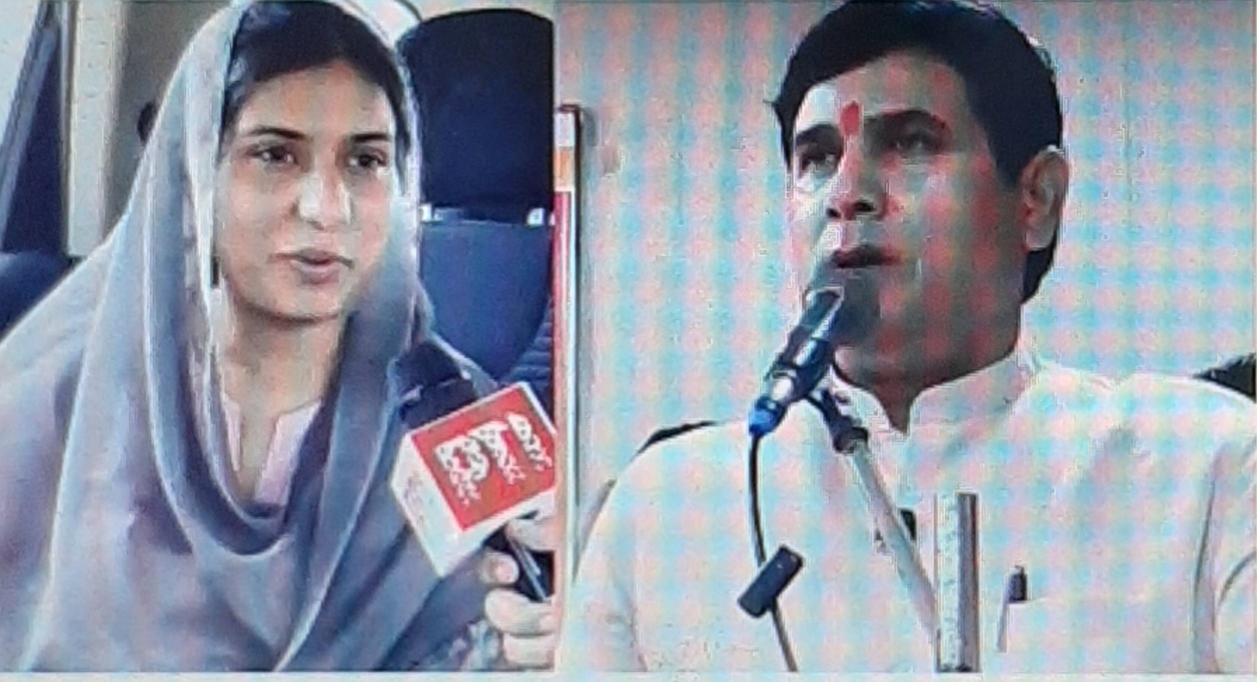
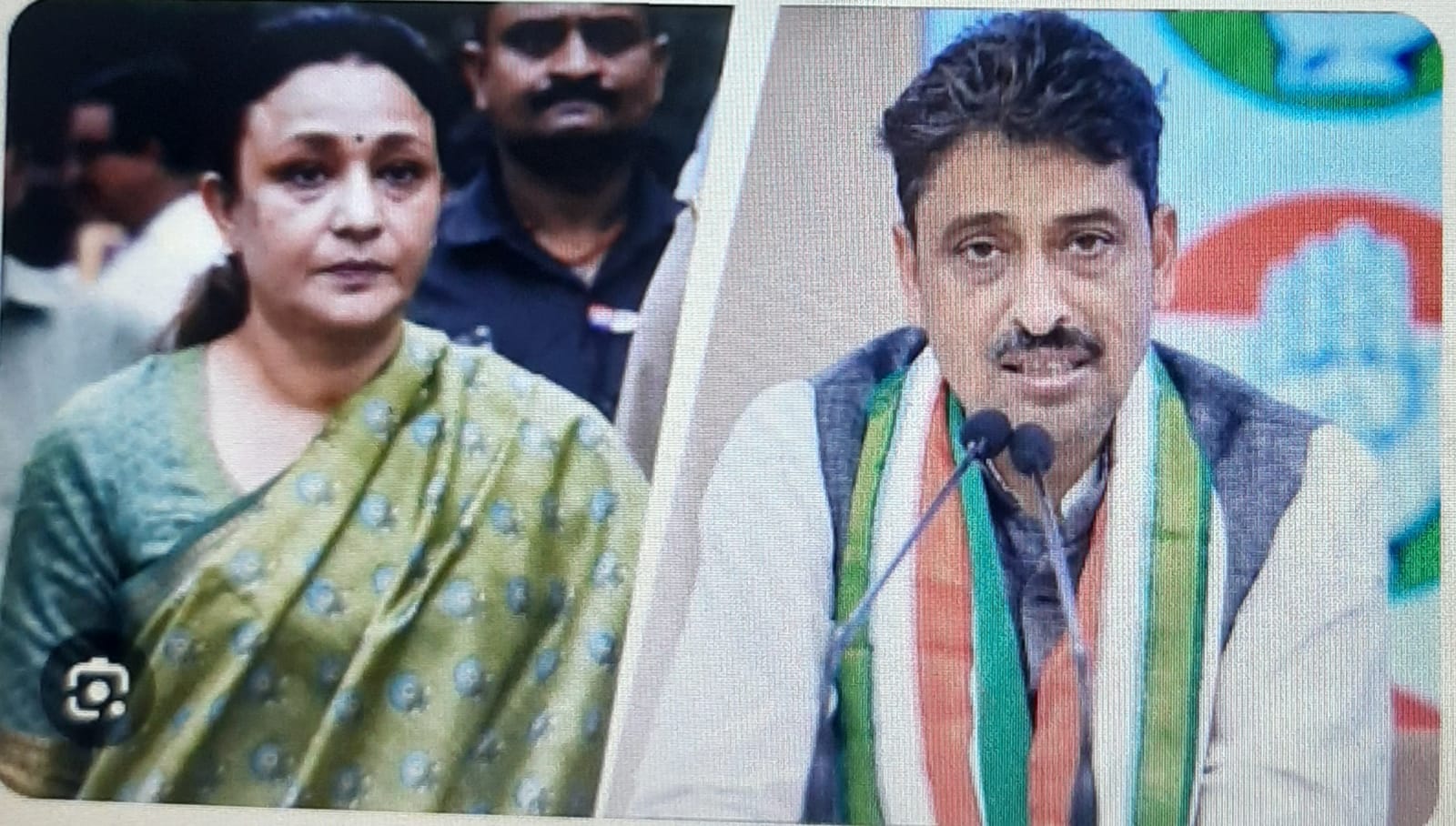
In Madhya Pradesh four candidates had filed their nomination papers for three vacant seats. Three candidates were from the BJP and one from the Indian National Congress(INC). The INC had sufficient strength to get one candidate elected while the BJP could get two. During scrutiny of nomination papers, the RO rejected the nomination paper of the Congress candidate on the plea that she knowingly did not disclose the full details of a pending court case in Form 26, the affidavit required under Rule 4A of the Conduct of Elections Rules, 1961 (Election Rules). This was contested by the candidate and the Congress party as, in their view, the rejection order was contrary to Section 33A of the Representation of the People Act (RPA),1951 which governs disclosure of criminal antecedents by candidates. Their appeal for intervention by the ECI and then the SC were rejected. The ECI held that it had no power to interfere with the decision of the RO (notwithstanding the supreme powers granted under Article 324 relating to ‘superintendence and control of elections’) and in view of the fact that as per Section 100(1)(c) of the RPA, improper rejection of a nomination could be a valid ground for challenging an election through an election petition. The Supreme Court held that it was not inclined to accept the petitioner’s prayer for making an exception ‘in cases of manifest illegality’ and Article 329(b) provided for grounds of filing election petitions after the electoral process was over.
If these arguments of the ECI and the SC are accepted then what are the implications? First, it implies that the Returning Officers enjoy unlimited power in the election process. Even if they commit ‘manifest illegality’, there is nothing that the candidates can do other than wait for the electoral process to be over and then file election petitions in the High Court and Supreme Court. As for political parties, their right to put up candidates and contest elections can be denied if one RO or several ROs conspire to reject nomination papers of candidates belonging to Opposition parties.
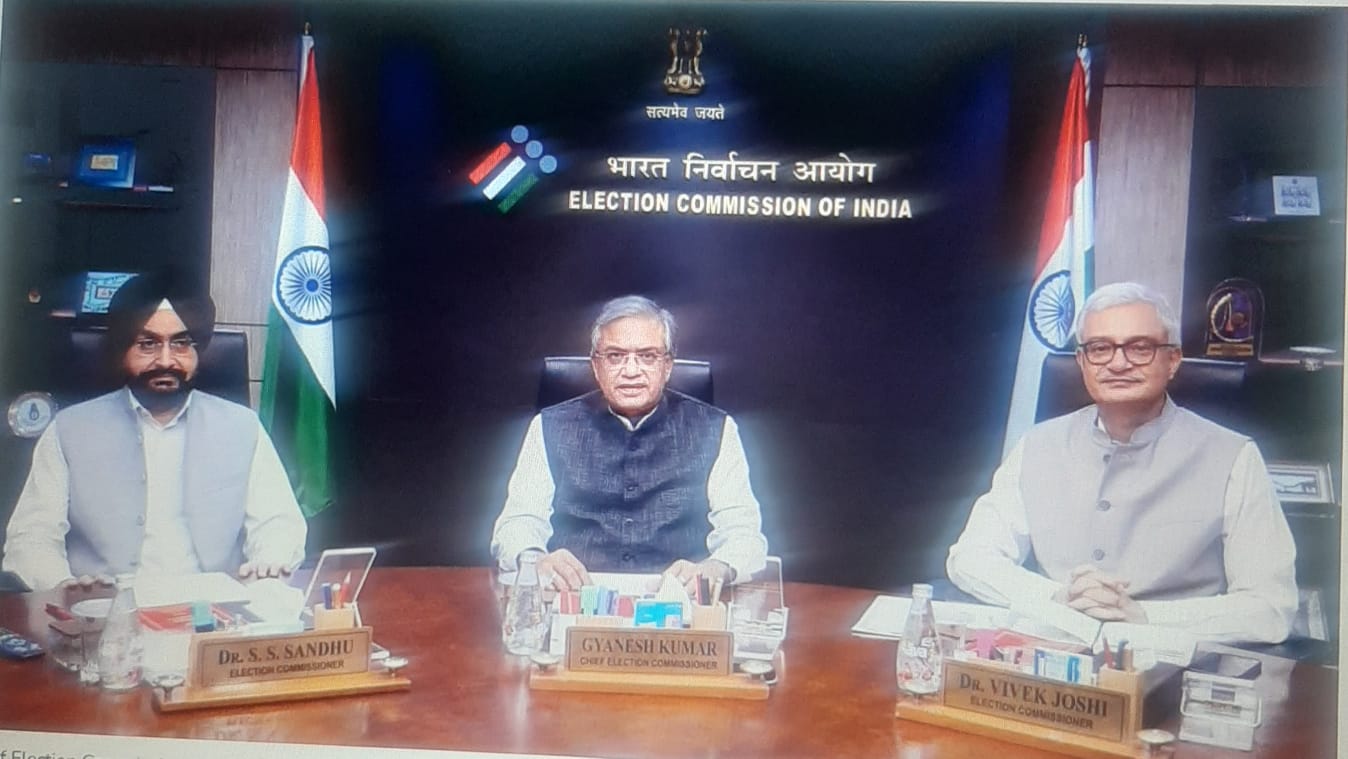
Second, the ECI apparently has no powers to check ‘manifest illegality’ happening right under its nose as the remedy to affected parties is provided under the RPA,1951 in the shape of election petitions. This is notwithstanding the fact that the ECI can choose to use the same provisions of Article 324 to virtually take over the entire civil administration of a State, transfer hundreds of officers including ROs, order adverse entries to be placed in their Annual Confidential Reports and Dossiers and replace the State Police with Central Para Military Forces (CPMF) as we have seen in the recent State Assembly elections in West Bengal!
Third, if this is the case then pray what are hundreds of Election Observers appointed by the ECI doing in the districts across the country? Are they not expected to keep an eye on ‘manifest illegality’ and report the same to the ECI in real time so that the ECI can take appropriate steps to ensure that ‘free and fair polls’ are held? Can the ECI wash its hands off so easily?
Fourth, is this the precursor of a new form of ‘uncontested elections’ becoming the new norm in Indian democracy? As it is, the BJP Government in several Indian States is busy promoting the idea of ‘Samras Panchayats’ (where representatives are elected without elections) and in the 2024 General Elections, the BJP candidate from Surat was declared elected unopposed as all other candidates withdrew their nominations. Is the Returning Officer in the MP Rajya Sabha elections putting in place a new template for all other ROs to follow in the forthcoming elections? All these questions naturally arise.
Fifth, if election petition is the only remedy then will the High Courts and even the Supreme Court guarantee that all election petitions would be heard and disposed off within a period of six months as stipulated under Section 86(7) of the RP Act (and not delayed for years on end as is the current practice)? Recently the Madras High Court[iii] observed that “if the delay caused by the courts are going to undermine the spirit of the adult franchise and democracy, I fear that this country may also go in the way of the other country that gained independence along with us.”
Sixth, if the RO commits illegality and indulges in patently biased action (manifest illegality) then is it not the duty of the Constitutional Courts to exercise their unlimited discretionary powers granted under Article 142 of the Constitution to prevent the subversion of democracy? Just a couple of years back, the SC did step in and refused to order fresh Mayoral election as demanded by the respondents in the Kuldeep Kumar vs.U.T.Chandigarh & Ors. case.[iv] The Court had reasoned that it was dutybound to ensure that the “basic mandate of electoral democracy is preserved at local participatory level.” The SC had also noted that “the Presiding Officer has acted beyond the terms of his remit…is guilty of a misdemeanour in doing what he did in his role and capacity as Presiding Officer.” Incidentally the said Presiding Officer was a member of the BJP and Adhyaksh of the BJP Minority Morcha. It is alleged that the Returning Officer in the Madhya Pradesh Rajya Sabha elections (the Principal Secretary, Vidhan Sabha) was also affiliated to the BJP and the RSS.
It must be remembered that the obligation to disclose criminal cases and personal wealth were not part of original election laws. These have been included following series of judicial pronouncements by the Supreme Court over the years.[v] The onus is not only on the candidates to provide full information in the form of Affidavit as prescribed in Form 26 and publicise them but also on the political parties to publish in newspapers, website and social media the criminal antecedents of candidates, and reasons for selecting such candidates[vi]. The ECI issued Form C-7 and C-8 in compliance to the SC directions.
Reports suggest that as many as 73 of 229 (32 percent) sitting Rajya Sabha members have disclosed criminal cases against them with 16 percent (36 MPs) facing serious criminal charges like murder, attempt to murder and crimes against women. The largest number (27 out of 99) belong to BJP followed by the Indian National Congress (12 out of 28).
It is ironical that the voters (MLAs) in case of Rajya Sabha elections do not even have the option of not voting for candidates with criminal background, bound as they are by the Party Whip and the Open Ballot system which has been held constitutional by the SC itself. Non adherence to SC Guidelines by candidates and political parties can only attract Contempt of Court proceedings if the ECI (or someone else) takes the matter to the SC. In Brijesh Singh Vs. Sunil Arora & Ors. case, the SC found political parties publicising details of candidates with criminal antecedents in a mechanical manner in newspapers with very low circulation (as happens with most Govt. tender notices) and in contempt of court. Yet it only imposed fines ranging between Rs. one to five lakh on the political parties. It could not take any further action as there was no law to back the guidelines issued by the ECI based on SC directions.
The ECI is duty bound to ensure that all polling officials, whether the Presiding Officer or the Returning Officer, clearly abide by the rules. Charges of bias must be enquired expeditiously and remedial action taken by the ECI. It cannot hide behind legalese since conducting free and fair elections is the prime constitutional duty of the Commission. Inaction on the part of the ECI, when prima facie biased use of powers by polling personnel working under its overall superintendence and direction is brought to its notice, is going to seriously erode the credibility of the institution.
It is clear that attempts to ensure purity of elections have not borne fruits. The number of MPs with criminal antecedents continue to rise with each General Election. Buying of votes continues unchecked. Institutional integrity is at an all-time low. Political parties appear to be uninterested in carrying out a major surgery for weeding out the malignancy of criminalisation of politics. Instead what we are witnessing is a ‘no-holds barred’ attempt by the ruling party to use all possible loopholes in law to ensure electoral victory. It does not matter to them whether in the process all substance is hollowed out of democracy and we are left holding just the empty shell.
(Sunil Kumar is a visiting Senior Fellow associated with the Centre for Cooperative Federalism and Multilevel Governance in Pune International Centre and a former civil servant. Views expressed are personal.)
[i] Kuldeep Nayar vs. Union of India; SC 2006
[ii] Vote Buying in Jharkhad; Economic & Political Weekly, April 21,2012, VOL.XLVII NO.16
[iii] Madras High Court judgment delivered on 03.06.2026 in Election Petition No.2 of 2016, M.Appavu vs. I.S.Inbadurai & Ors.; https://www.verdictum.in/pdf_upload/2026/06/05/mappavu-1778815.pdf
[iv] SC judgment dated 20 February, 2024 in Civil Appeal No.2874 of 2024 Special Leave Petition (Civil) No.2998 of 2024; Kuldeep Singh Vs. U.T. Chandigarh & Ors.
[v] The most notable SC judgments have been in Union of India Vs. ADR (2002); PUCL Vs. Union of India (2003);
[vi] Public Interest Foundation & Ors. Vs. Union of India & Anr. (2019) 3 SCC 224.