

Even as the impact of these sops to the voters would become known only after the election results are announced later in April, it seems political parties of all hues have come to believe that giving freebies to sections of the voters, especially the women, pays rich electoral dividends, writes former IAS officer Sunil Kumar
Come election season and the politics of freebies commences in right earnest. Each political party now seeks to ‘outdo’ the other. In Tamil Nadu, the AIADMK has now promised a free refrigerator for every rice ration-card holder over and above the promise of doubling women’s monthly cash transfer, free bus travel for men, one-time Rs.10,000 relief payment for families, three free LPG cylinders annually and so on[i]. It seems the political parties are not sure as to what would appeal to the voters. In the last Assembly elections, the AIADMK had promised free washing machine but that had not worked.
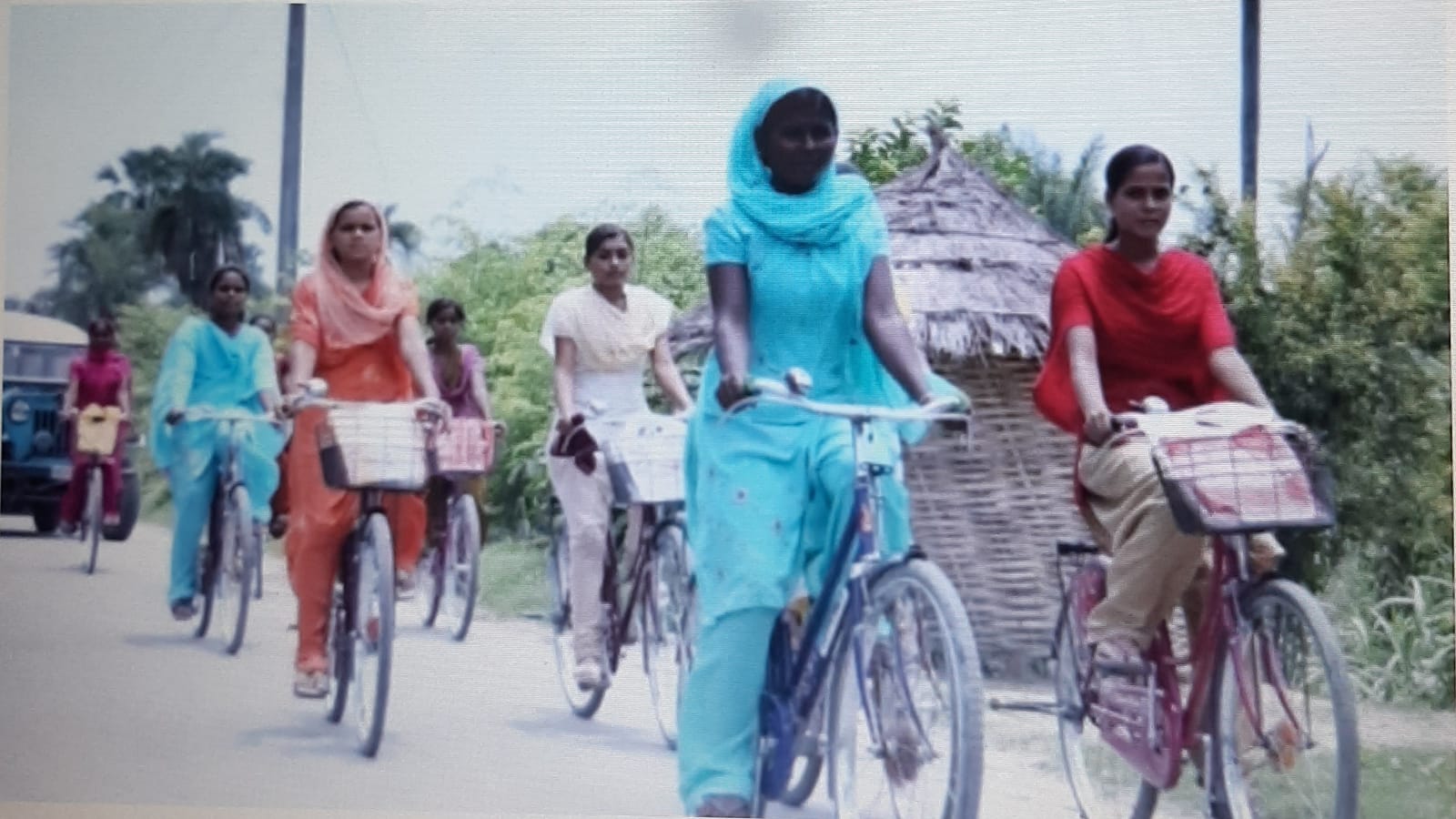
Tamil Nadu has a history of offering free wet-grinders, mixies and fans in the recent past. In other states, so far, the practice of offering consumer durables has been restricted to bicycles (now scooty), laptops and smart phones. Free public goods such as free ration, water for irrigation and electricity are now the norm in several states. Yet these freebies are perhaps not enough and political parties and candidates have not shied away from distributing cash to voters directly before elections to ensure their victory. This trend, which again started from Tamil Nadu, has now spread to other parts of the country.
In the last few years it is increasingly been seen that the ruling party/alliance is resorting to large scale use of public funds for promoting party interests especially on the eve of elections. All along promises were made in the election manifestos and the ruling party would try and implement them by introducing new schemes in the budget. The practice was that government would introduce ‘Vote on Accounts’ and get the same passed by the legislature to take care of necessary expenditures for three to four months and refrain from making new announcements and/or implementing new schemes on the eve of elections. The full budget was prepared by the new government and passed by the legislature after elections.
However, all this has changed in the last decade. Now both union and state governments present their full budget, announce new schemes and then go to the polls and tell the public that they have already made requisite provision in the budget. Some governments have not even waited for the budget and have gone ahead, announced and even partially implemented the scheme of freebies before the model code of conduct came into force. The Pradhan Mantri Kisan Samman Yojana, launched by the union government on the eve of 2019 general elections, was one such scheme. Now the same is being done in the states. Thus, the ruling party is utilising it’s natural advantage to give the voters a ‘taste’ of what is to come (and try and leave them with the feeling of ‘dil maange more’) while the opposition parties can, at best, promise.
A report recently published[ii] highlighted that all the incumbent governments in the poll bound states of Tamil Nadu, Assam, Kerala, West Bengal and Puducherry have collectively announced, allocated or disbursed over Rs.37,000 crore through new or enhanced schemes (Table 1). Reports suggest that more than Rs.20,000 crore has already been credited into the bank accounts of beneficiaries in the month of February. Except one scheme of Kerala, all other were new schemes announced in the last three months just before the Model Code of Conduct kicked in.
Table 1: Details of New Schemes in Poll-bound States/UTs
| State | New Scheme | New Outgo (Rs.in crore) | % State Tax Revenue |
| Tamil Nadu | Pongal gift of Rs.3000 to 2.3 crore families + Enhanced KMUT of Rs.5000 (Rs.2000 extra) to 1.31 crore women | 9,556 | 4.3 |
| Kerala | Pension hike of Rs.400 for 62 lakh persons+ Rs.1000 under Stree Suraksha for 31.34 lakh women | 6,766 | 7.4 |
| Puducherry | Pongal gift of Rs.3000 + Rs.750 kit for 3.47 lakh PDS families | 130 | 1-1.2 |
| Assam | Rs.9000 monthly (4 months) to 40 lakh women under Orunodoi | 3,600 | 10.3 |
| West Bengal | Enhanced Rs.500 per month under Lakshmir Bhandar + Rs.500 for 2.2 crore women + Rs.1500 per month to unemployed youth (21 to 40 years under Banglar Yuva Sathi + Rs.1000 honorarium hikes with Rs.280 crore (Anganwadi workers & helpers) + Rs.150 crore (civic/green police) | 18,630 | 16.5 – 17 |
Source: The Indian Express, March 30, 2026
It must be pointed out that revision of honorarium for Anganwadi workers or their helpers, ASHA workers etc. cannot really be classified as ‘freebies’ since they are performing critical social functions and the remuneration being paid to them by the state is a pittance. However, it is the timing of these decisions (just before elections) which is questionable. Given their large numbers and being voters to boot, the conclusion that the revision of their honorarium has been done with an eye on their votes cannot really be faulted.
Even as the impact of these sops to the voters would become known only after the election results are announced later in April, it seems political parties of all hues have come to believe that giving freebies to sections of the voters, especially the women, pays rich electoral dividends.
These states seem to be carrying forward the recent trend of focusing, in particular, women voters which was initiated by Madhya Pradesh and Jharkhand and later successfully emulated by Maharashtra and Bihar. In these four states, the ruling dispensation managed to stave off strong anti-incumbency by undertaking direct transfer of funds into the bank accounts of women voters. In Bihar Rs.10,000 was credited into the accounts of women voters even after the model code of conduct had been enforced ostensibly because the scheme was announced and launched before election dates were announced and the first tranche was transferred minutes before the announcement and so it became a ‘continuing scheme’ of the state government! The same template is now being adopted by the ruling party/alliance in the five poll-bound states in April 2026.
Be that as it may, the politics of freebies (denounced as ‘revadi’ by the PM once upon a time) has been largely examined on the basis of it’s impact on the state budget, capacity of states to bear the economic cost, as an unfair practice which queers the pitch for holding ‘free and fair elections’ and/or whether it is a policy decision which fits into the prism of social justice and public welfare at large. Certain authors have taken umbrage at the use of terms like “freebies” and “revadi culture” and look upon such description as an assault by the state-capital nexus on the lives of millions of working people. In their view, attack on state subsidies is a deliberate ploy to keep them vulnerable in order to discipline them and is an integral part of the neo-liberal agenda.[iii] However, it now seems that all political parties, ranging from the far right to the left, have whole heartedly adopted this idea and are not averse to doling out freebies to voters. In this article I would be examining the politics of freebies from the point of view of the voter and it’s likely impact on political accountability.
But first we will take a look at the economics of freebies. Various studies suggest that when anything is given for free then it distorts the market and squeezes out capital expenditure. A report published by the RBI in 2022[iv] noted that provisions of free electricity, free water, free public transportation, loan waivers, and other freebies may undermine credit culture, distort prices through cross-subsidization, and erode incentives for private investment and disincentives to work at the current wage rate which could lead to a drop in labor force participation.
The quality of expenditure in different states has also come in for critical review in recent times. The Capex vs Freebies matrix[v] prepared for select states based on the budget estimates of 2025-26 shows the impact of ‘freebies’ on capital expenditure.
It is clear that in states like Andhra Pradesh and Maharashtra, the expenditure on freebies exceeded their capital expenditure and this was likely to adversely impact their economic growth in the medium and long-term. In a recent article[vi], Dr. Ajit Ranade has highlighted the sorry state of affairs in Maharashtra which is struggling to meet the expenditure on the Mukhyamantri Majhi Ladki Behin scheme. The state government is reportedly in the process of selling teak forests for Rs.12,000 crore to part finance the annual expenditure of Rs.36,000 – 46,000 crore or 5 percent of the total state’s expenditure. Likewise, the full impact of freebies on the budget 2026-27 of Tamil Nadu and West Bengal would also be worth analyzing. Uttar Pradesh is currently spending the least on freebies among these ten states and it will be interesting to see the trajectory of expenditure in Uttar Pradesh this year as it goes to the polls in early 2027.
Looked at from the point of view of the voter what is it that the system is offering to them? Precious little. Politics is increasingly becoming transactional. Large section of voters, especially those living at the margins, perhaps feel that they should extract whatever they can at the time of election because there is precious little which is going to come their way in any case. They take a decision based on whoever they find more credible at that point of time. The sad truth is that voters no longer believe the promises made by political parties and leaders to a very great extent. Backtracking by leaders and political parties, once elected, on promises made has fuelled this cynicism.
This surely is a danger signal for democracy. Even though the Supreme Court ruled in the Subramaniam Balaji v. the State of Tamil Nadu (2013) case that the promise or distribution of freebies cannot be considered bribery or corruption and that it is not the role of the court to direct the government how to use public funds, it did observe that freebies does influence people and “shakes the foundation of free and fair elections.” In my view, crediting money directly into the bank account of voters by the government on the eve of elections and acceptance of cash from candidates also puts a question mark on the very idea of political accountability which distinguishes a democracy from other form of governments.
In literature, political accountability has been defined as referring to constraint on executive power and comprising the mechanisms for holding an agent accountable and the means to apply sanctions when a principal (citizens) transfers decision making power to an agent (the government).[vii] Holding free and fair elections wherein voters can vote out a political party from power if dissatisfied by their performance is a very important tool for ensuring vertical (electoral) accountability.
We are witnessing a downslide in the functioning of the legislature in India[viii] and instances galore where the judiciary has displayed a quiescent and at times facilitative attitude towards the NDA government and clearly has been hesitant to hold the executive branch accountable.[ix] Likewise, a very large segment of the mainstream media has virtually abdicated it’s responsibility to act as an independent watch dog and hold government accountable. On the contrary, it is widely seen as a mouthpiece of the government and ruling party (’Godi media’ in popular lexicon). Government has also rendered the civil society ineffective by imposing unreasonable constraints in the name of protecting ‘public order’ which have rendered popular forms of protest such as dharna, strikes, public processions etc. virtually impossible to organize. These have rendered ineffective the system of checks and balances traditionally used to ensure horizontal and diagonal accountability.
In this scenario, if the relationship between the voter and the political parties become transactional with candidates showing up at the doorstep of voters only at the time of elections and voters trying to extract a price for their votes, then even the electoral tool for ensuring political accountability gets considerably weakened.
Further, once voters have virtually ‘sold’ their votes, there is precious little that they can expect from their elected representatives after they come to power. Feathering their own nest seems to have become the prime driving force rather than furthering public interest. The poor state of delivery of basic public services like supply of safe, drinking water, clean and safe streets, functioning sewerage and drainage system, crumbling health services tell their own story. No effort seems to be made to ensure delivery of services to citizens in a fair, transparent manner and as per established service benchmarks. Even clean air is denied to the general public. The ‘politician-bureaucrat-contractor’ nexus rule the roost. Unbridled corruption is to be seen at all levels of government.
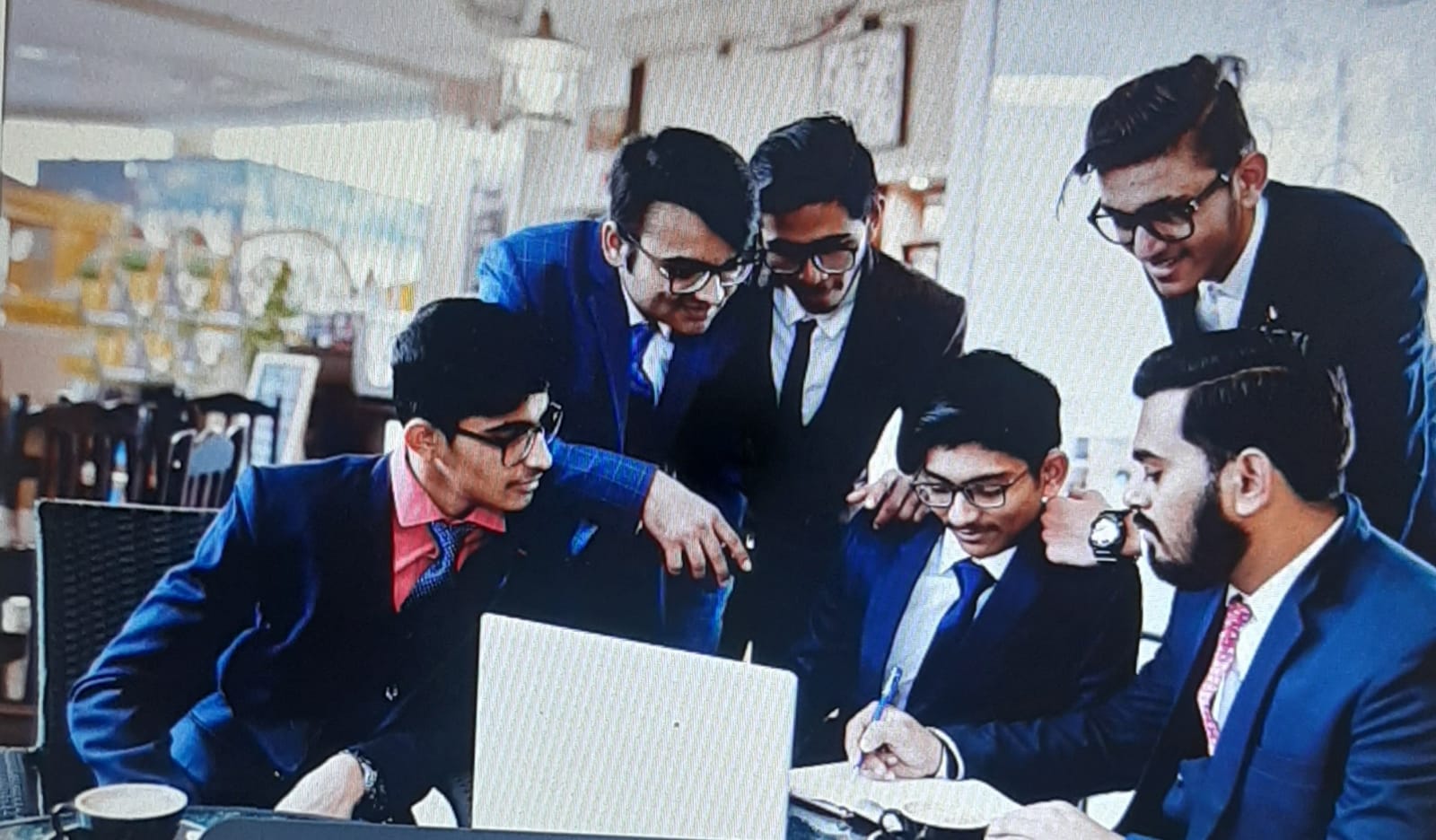
This sordid scenario seems to have been the prime moving force behind the ‘padyatra’ undertaken by a group of college students from Madurai to Chennai in 2025 and 2026 wherein they exhorted citizens to take a pledge to abstain from ‘selling their votes’ by accepting cash from political parties before polling. Small meetings were organized in the villages and towns falling along the route and support of school and college students was enlisted for putting social pressure on their family members and getting them to sign or affix their thumb impression on the pledge memorandum. Despite initial suspicion and opposition by the workers of political parties, the padyatra has received an enthusiastic response from the public. It is still early days to assess the impact of this 450 km padyatra. It is a difficult task to wean away the voters from their addiction to ‘freebie opium’ (as Ajit Ranade put it) but this initiative of the youth from Madurai is perhaps the only Gandhian tool which can be effectively used in the present circumstances. We need to appeal to the moral core of voters and awaken their conscience. This initiative needs to be replicated in each village, Block, District and State of India. Or else the politics of freebies will have a free run and it would strike the death knell of political accountability and thereby democracy in the country apart from the damaging economic consequences which future generations would necessarily have to bear.
(Sunil Kumar is a visiting Senior Fellow associated with the Centre for Cooperative Federalism and Multilevel Governance in Pune International Centre and a former civil servant. Views expressed are personal.)
[i] A fridge in every home:How welfare state has evolved in TN; The Indian Express, March 28, 2026
[ii] Govts facing poll test loosen purse strings, splurge Rs 37,000 cr on welfare schemes; The Indian Express, March 30, 2026
[iii] Political Aspects of Freebies; Avinash Kumar, Manish Kumar ; Economic & Political Weekly, Vol.57, Issue No.52, December 24, 2022; https://www.epw.in/journal/2022/52/insight/political-aspects-%E2%80%98freebies%E2%80%99.html?check_logged_in=1
[iv] RBI report, June 2022, State Finances: A Risk Analysis
[v] The Capex vs. Freebies Matrix: Which Indian States Are Actually Building the Future? ; Sourabh Agrwal; https://www.linkedin.com/posts/sourabhag_capexvsfreebies-statebudgets-macroeconomics-activity-7430423448658706433-NWkV/
[vi] When freebies run on felled trees; Ajit Ranade, The Deccan Herald, March 4, 2026; https://www.deccanherald.com/opinion/when-freebies-run-on-felled-trees-3919108
[vii] Political Accountability: Vertical, Horizontal, and Diagonal Constraints on Governments; Emily Walsh; V Dem Policy Brief No.# 22, 2020 ; https://www.v-dem.net/media/publications/pb_22_final.pdf
[viii] Are We Witnessing a Downslide in the Functioning of the Legislature in India?; Sunil Kumar; Urban Mirror, March 30, 2026; https://urbanmirror.in/are-we-witnessing-a-downslide-in-the-functioning-of-the-legislature-in-india/
[ix] Unsealed Covers: A Decade of the Constitution, the Courts and the State; Gautam Bhatia; Harper Collins, India; 2023