

All the justifications given by the state government in support of the decision to introduce a dress code for college and university students are patently false. The design behind the exercise is more sinister. It is aimed at coercing the youth into submission and controlling their ability to think for themselves. It will foster the belief that it is their family and then the state which alone can think and decide for them what is in their best interest writes Sunil Kumar, a former civil servant.
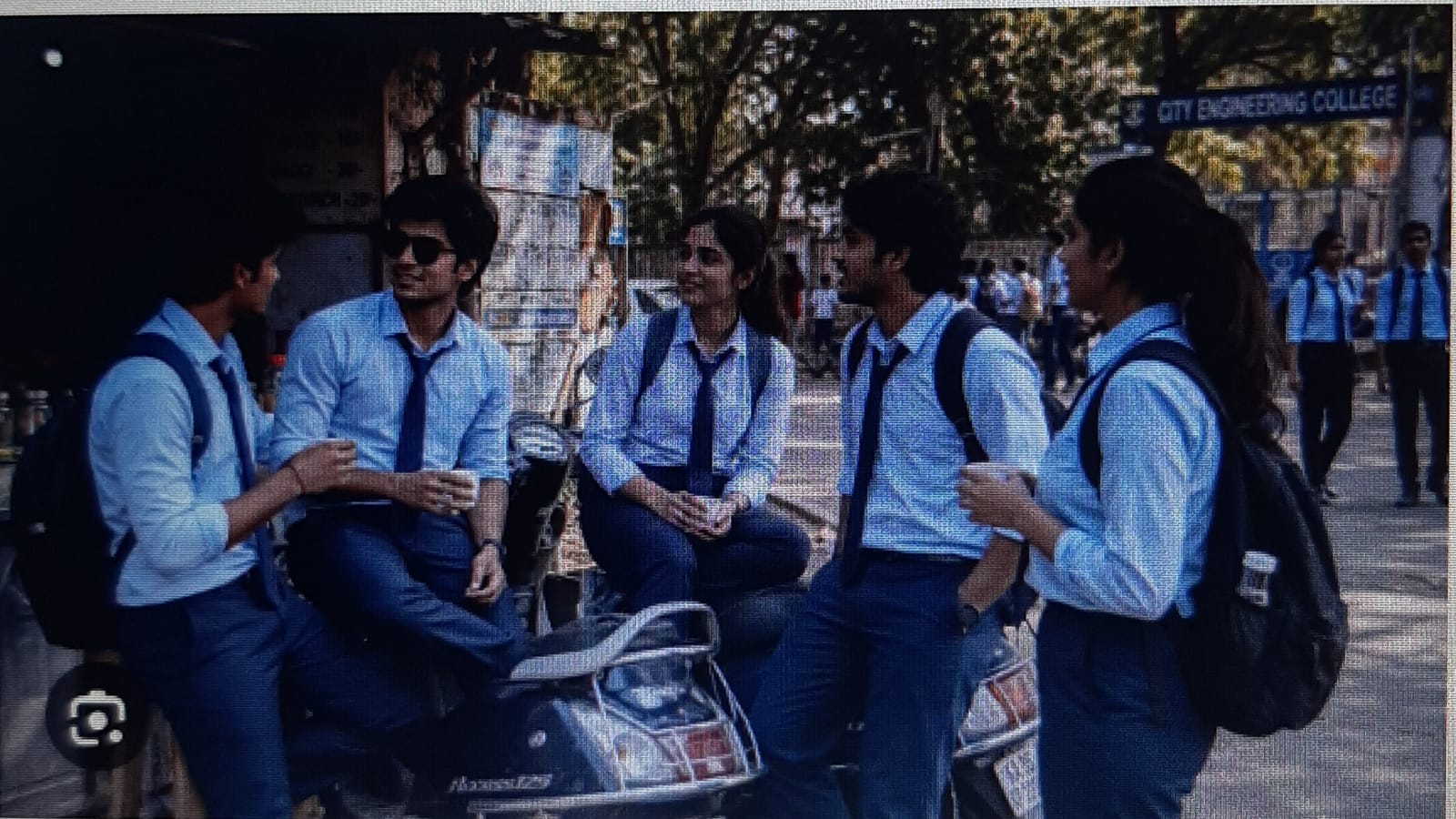
A newspaper report[i] stated that Uttar Pradesh government has announced plans to make a dress code compulsory in higher educational institutions across the state from the next academic session. This is ostensibly being done on the directions of the Uttar Pradesh Governor, who is also the Chancellor of state universities, to promote equality, discipline and social harmony among students. Another editorial in another newspaper[ii] equated the decision of UP Government to that of a ‘nanny state’.
One way of looking at this issue is that students should remain in school as long as they are studying. It does not matter whether they are students of class V or doing graduation course in a college. How nice it would be if they were disciplined and did exactly as ordered by the college authorities. All college students would come smartly turned out in their uniforms. Those coming late or not in uniform could be turned away from the gate itself. If some of them were seen at shopping malls or in cinema theatres (even if seeing ‘sanskari’ films like Dhurandhar 1 and 2), they could be easily identified and reported to college authorities who could then undertake the ‘critical’ job of disciplining them! Obviously, such students could not be allowed to tarnish the image of the college. And if, in the bargain, issues of social and economic inequality and fragile social harmony could also be tackled, then that would be the proverbial icing on the cake.
The issue is serious and the agenda far more devious than what appears at face value. And the associated question is why has this exercise been initiated in Uttar Pradesh and not in any other state where the Bhartiya Janata Party (BJP) is in power? Not in Gujarat and not even in Madhya Pradesh (touted as the laboratory of the RSS) where BJP has been in power for over two decades now.
Let us examine the institutions that have dress code. The ones that immediately come to mind are the uniformed forces – the defence personnel, para military forces and the state police forces. Then there are the prisoners. All prisoners are expected to remove their civilian dress once they enter the prison and don the prescribed uniform. Recall all the prison scenes in numerous films starting from Do Ankhen Barah Haath to Sholay, Deewar, Munnabahai M.B.B.S. and Bandit Queen.
In the uniformed forces, the emphasis is on discipline and blind obedience to a unified chain of command as they operate in war zones where disobedience could endanger the lives of others. A dress code aids this process. Any disobedience in the uniformed forces could lead to court martial and termination of services. In the case of prisoners, however, they need to be easily identified and their uniform makes this task easier. Prisoners are counted twice daily. Jail break is the most heinous offence in the Jail Manual and an escaped prisoner has to be rounded up as quickly as possible.
Patients admitted to hospitals are expected to wear the gowns/dress provided by the hospital. Patients can change into civilian dress once they are discharged. This is ostensibly to ensure easy identification and maintain the ‘sterile’ environment of wards, whether general or private! There are certain organizations like the RSS (which is touted as the ‘world’s largest Non-Governmental Organization’[iii]) which has a strict dress code for its members who attend their ‘shakhas’ every day. Then, of course, we have children studying in schools who need to be trained. It is another matter that providing school uniform has become a multi-crore racket in states where uniforms are procured and supplied by the state or where students and their parents are coerced by school authorities to purchase school uniforms from certain ‘specified’ vendors/shops only.
The state government has provided the explanation that school uniforms will promote equality among students as even those coming from poor or rich family background would all be wearing the same college uniform. If a dress code were enough to do away with social and economic inequality in society, then I suppose authors of ‘Capital in the Twenty First Century’ (Thomas Piketty), ‘The Price of Inequality’ (Joseph Stiglitz) or ‘Inequality:What Can Be Done’ (Anthony B.Atkinson) need not have wasted their time and energy in writing those books. Those who promote dress code as a solution for growing social and economic inequality forget that a poor student would still be traveling in a crowded bus while the rich would be coming to college in fancy cars and SUVs!
Same would be the fate of social harmony. Wearing the same uniform cannot hide differences of caste and class. Social harmony is impacted more by the caste system than the clothes worn by the proponents. To quote Suraj Yengde, “Untouchability remains a lifeline of India’s present….India-wide, 30 percent of Indians have no hesitation in imposing the worst form of human oppression – untouchability- upon fellow humans.”[iv] Social harmony cannot be attained through tokenism of the type practised by our political leaders. Having a meal in the house of a Dalit party worker (usually in the election season) or inducing villagers to elect their Panchayat representatives unopposed by promising the Gram Panchayat lakhs of rupees for ‘development’ would foster social harmony or lead to setting up of ‘samras Panchayat’, in reality, amounts to deluding oneself. The way Khap Panchayats come down on inter-caste marriages in certain parts of the country and the ‘lenient’ attitude of the police and the political class towards such unconstitutional and illegal acts only show that in modern India, caste still matters.
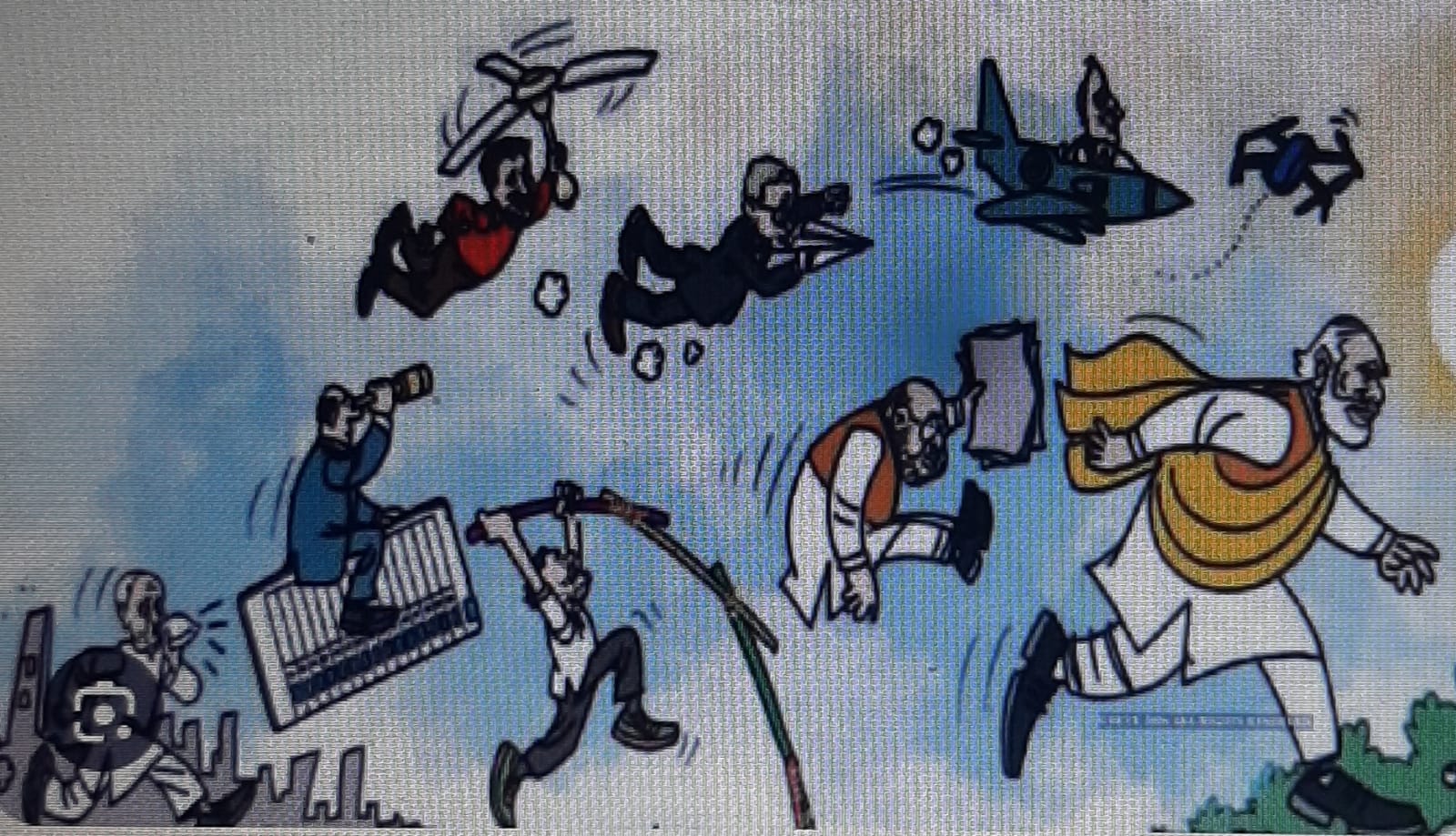
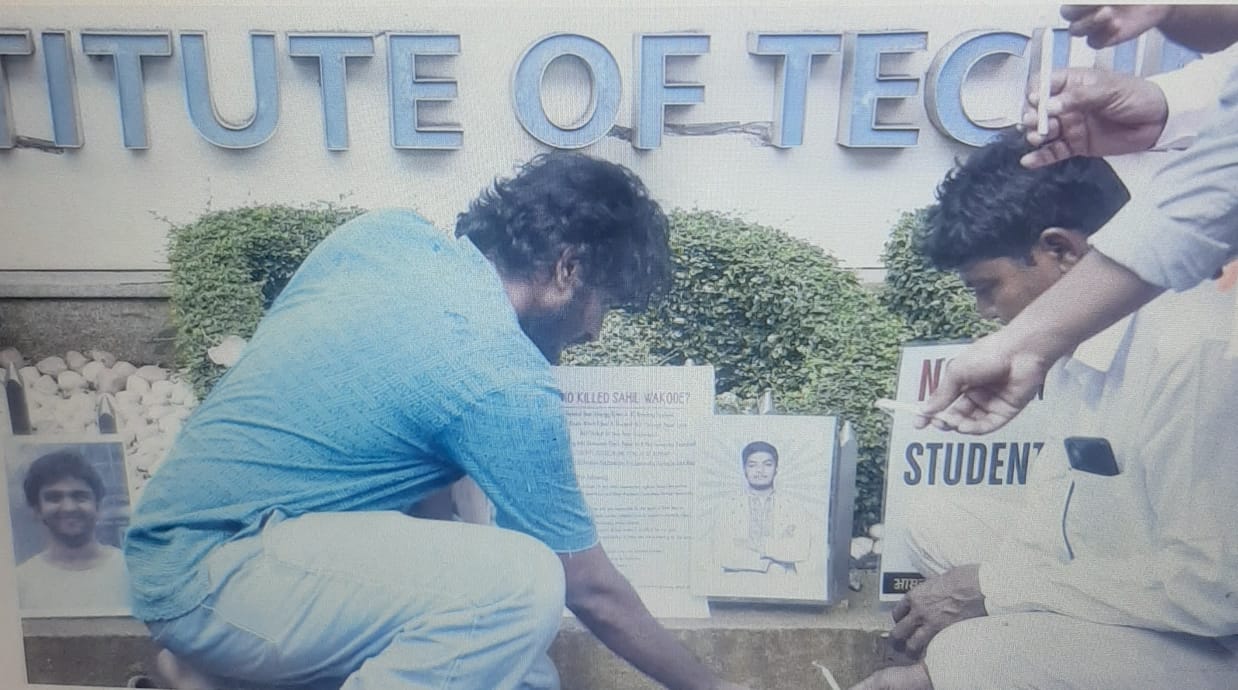
As for the discipline aspect, it seems that the ruling dispensation is not quite sure of how the young (Gen Z) is going to react to problems of unemployment and jobless growth among others despite continued talk of ‘good times to come’ and commencement of ‘amrit kaal’ in 2022 wherein by 2047 the country would leap frog into the league of developed nations. It seems the young are not quite convinced and the way the youngsters have reacted to their description as ‘cockroaches’ and ‘parasites’ (evidenced by the phenomenal rise of Cockroach Janata Party (CJP) with its charter of demands on social media) has clearly unnerved a section of the political class. Ideally, the ruling dispensation would be happy if the young continue to turnout in large numbers and beat the ‘thaali’ at the anointed date and time (as they did for driving out Covid) or flash their mobile torches (even in broad daylight) when asked to do so by the supreme leader. Articles are being written exhorting the youth to lead the country to Viksit Bharat and stating that ‘Amrit Kaal is the era of hard work’[v]! They should be following the directions and NOT questioning the government no matter if exam papers continue to get leaked and exams cancelled, good jobs are hard to come by, thousands get laid off and unemployment rate among degree holders under the age of 25 reaches a record high of 40 to 42 percent!
Questioning is indiscipline. Critical reasoning and ability to connect the dots, look at things in perspective and understand the real underlying reasons behind social, economic, political and historical developments make those in authority uncomfortable. Colleges and Universities, as institutions of higher learning, were expected to develop exactly those faculties of young students. Universities were supposed to provide space for debate and discussion on all types of issues and equip students to sift the substance from the chaff. If college and university students begin to do this then that could spell trouble for the ruling dispensation. Remember the youth movement led by JP in 1974 in Bihar and Gujarat.
So there comes in the agenda of fostering discipline among the college and university students. Working with the students through frontal organizations like the Akhil Bhartiya Vidyarthi Parishad (ABVP) was a time consuming process. A beginning was made by first getting persons with the ‘right’ credentials appointed as Vice Chancellors of state and central universities. Next on the agenda was denouncing certain universities and colleges, which refused to toe the line, as harbouring ‘anti-national’ forces. Use of police force to hoist cases on student leaders under stringent sections of the Indian Penal Code (now Bhartiya Nyaya Sanhita) and draconian laws like UAPA and NSA and put them behind bars for years on end was designed to instil fear in the minds of students. Police personnel now routinely proclaim that participation in any ‘anti-government’ agitation (even if for a cause as mundane as protesting unscheduled power outages) could lead to cases against them (as the police undertakes regular videography of all protestors) which could potentially threaten their career prospects.
Seen in this light, the prescription of a dress code for college and university students in Uttar Pradesh is the first step in testing the waters. If students do not protest, then the same would be rolled out in other states. Governors, who happen to be ex-officio Chancellors of State Universities, would then be more than happy to recommend (and the state governments willing to follow) introduction of dress codes for students in colleges and universities. Students would then be directed to toe the line, attend political rallies officially approved by the college and university authorities, and refrain from any political activity not sanctioned by the authorities. So it would be ‘controlled democracy’ in the colleges and universities in the first instance.
It must also be remembered that college and university students are also voters as they are generally above the age of eighteen when they join college. So once they get into the habit of obeying orders, then it is possible that they can be asked to vote for particular candidates too. In Maharashtra State Assembly elections held in 2024 it has been seen that college authorities had the names of students enrolled as voters in the constituencies where the colleges were located and, then, on the day of elections, they were ferried to the booths in college bus to cast their votes in favour of candidates supported by the college authorities. If something similar could be repeated in Uttar Pradesh, which goes to polls in 2027, then it would be wonderful for the ruling dispensation.
To conclude, all the justifications given by the state government in support of the decision to introduce a dress code for college and university students are patently false. The design behind the exercise is more sinister. It is aimed at coercing the youth into submission and controlling their ability to think for themselves. It will foster the belief that it is their family and then the state which alone can think and decide for them what is in their best interest. Unquestioned conformity to commands from college/university and state authorities, rather than free interplay of conflicting ideas which lets them decide for themselves what is right and what is wrong, seems to be at the core of this bizarre diktat from state authorities in Uttar Pradesh. If implemented this could potentially spell the death knell of colleges and universities as venues for promoting critical thinking among students through free flow of ideas. Ability to question and not accept anything at face value is the distinguishing mark of an alert and conscious citizen and is an essential component of thriving democracy and democratic structures in the country.
(Sunil Kumar is a visiting Senior Fellow associated with the Centre for Cooperative Federalism and Multilevel Governance in Pune International Centre and a former civil servant. Views expressed above are personal.)
[i] Soon, uniforms a must in colleges & varsities across UP – The Indian Express, Friday, May 22,2026, Pg.9, New Delhi, Late City Edition
[ii] Editorial in The Times of India, Monday, May 25, 2026, Lucknow edition
[iii] PM Modi salutes RSS for its 100-year journey in service of nation; calls it ‘world’s biggest NGO’; The Economic Times, August 15, 2025; https://economictimes.indiatimes.com/news/india/pm-modi-salutes-rss-for-its-100-year-journey-in-service-of-nation-calls-it-worlds-biggest-ngo/articleshow/123317210.cms?utm_source=contentofinterest&utm_medium=text&utm_campaign=cppst
[iv] Caste Matters by Suraj Yengde; Pg.11; Penguin Random House India, 2019
[v] Young must lead us to Viksit Bharat, Amrit Kaal is the era of hard work’ by CP Radhakrishnan, Pg.11, The Indian Express, May 26, 2026, New Delhi, Late City edition